Home insulation in Sun Valley NV - a house with fewer drafts and rooms that hold heat
Drafty rooms, cold floors or a hot upstairs? We seal the leaks first, then add insulation where your house needs it most.
You know who's on your job
I'm usually the one who comes out to look at the job and write the estimate. Our install crew does the work with a lead installer on site, so you always know who to ask.
Licensed and fully insured
We're licensed and fully insured for the work we do in your attic, walls and crawl space. Ask at the estimate and I'll show you the paperwork before anyone starts.
In business since 2023, budget first
I ran a small business before this one, so I know what every dollar means. I'd rather tell you a job isn't worth doing than sell you one you don't need. Call (775) 447-1132 to set up a visit.
Home insulation in Sun Valley, done in order
Home insulation in Sun Valley, NV means sealing the leaks around your house and adding insulation to the attic, floors, crawl space and the rim joists where the house meets the foundation. Prime Sun Valley Spray Foam Insulation does it for homeowners with drafty rooms, cold floors or a hot upstairs.
Most calls start with one complaint, like the room over the garage that never warms up or a power bill that keeps climbing. The cause is rarely just thin insulation. It's usually air slipping through gaps in the ceiling, around pipes or at the attic hatch, plus old material that's packed down or damaged. That's why I look at the whole house before talking about any one room.
What you pay mostly comes down to how many gaps need sealing, how big the attic and crawl space are, whether old insulation has to come out first and which material fits each spot. The schedule turns on how easy those spaces are to reach and whether your job needs a permit. After the visit I put my plan in writing, with what I'd do first and what can wait.
Home insulation, from air sealing to the crawl space
Sealing the gaps before adding insulation
We walk the whole house and put the work in order, starting with the gaps and leaks and then moving to the spaces that matter most. Air sealing, closing those gaps before insulating, comes first because insulation money is easily wasted while holes in the ceilings, walls and foundation stay open. In the attic that usually means sealing around can lights, pipes and the hatch before any blown-in insulation, loose fill sent up through a hose, goes on top. That way your budget goes where it counts.
Fitting the material to each space
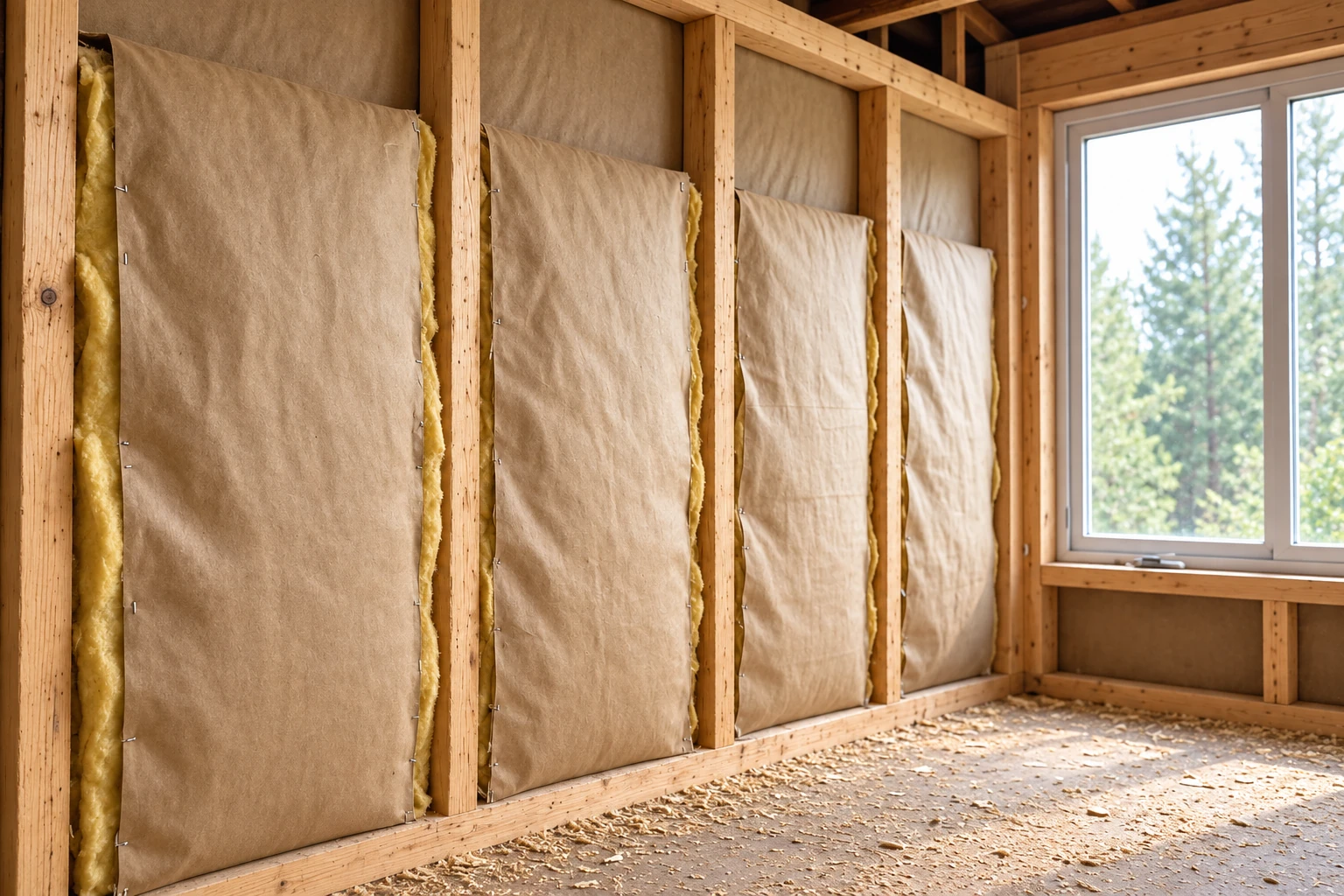
Most homes in the US use blanket insulation, the rolls and pre-cut batts you've probably seen, and it suits open framing. Loose fill can get into any space without disturbing the framing or finishes you already have. On foam, I'll be plain. In most attics, sealing the gaps and topping up loose fill gives you more for the money, unless your ductwork runs up there, where foam can earn its cost. For cold floors, crawl space insulation is often the fix.
Checking what's already up there
Before adding anything, we measure how many inches you already have and look at what shape it's in. If the old insulation was soaked or is full of droppings, new material on top just buries the problem, so insulation removal comes first. We keep eave vents clear so the attic can still breathe, and we carry the full depth out to the edges instead of piling it in the middle. It's fair to ask any contractor to staple depth rulers in a few spots, so you can see the fill is even and check for settling later.
Get a free home insulation estimate in writing
We reply within one business day to set up a free visit at your home, with no pressure and no obligation. I'll look at the space with you, then put what I'd do first in writing.
(775) 447-1132What happens after you call us
You call, I come out
Call or send a note and we'll set a time. I come out, walk the attic, crawl space and living areas with you, and tell you right there what I'd fix first.
Written estimate and the permit
I follow up with a written estimate. We check whether your address falls under Washoe County or a city. The county takes permits online and checks each one before adding fees, and we handle the permit when the job calls for one.
Install, cleanup and walkthrough
Once you say go, we set the date. Our crew does the work and cleans up when it's done, and then we walk through the house together so you can see what was done.
Home insulation questions from Sun Valley
Is fiber or spray foam better for the walls in my house?
Fiber is usually the least expensive way to fill open wall cavities, whether it's fiberglass batts or loose-fill cellulose. Wet fiber loses R-value, how well it slows heat, and can lead to mold and wood rot. Spray foam seals and insulates at once but costs much more, so it fits spots needing a tight air barrier, like the wall to the garage.
Is it safe to seal air leaks with a gas furnace or fireplace?
Yes, as long as someone first works out how much fresh air the house needs and how your furnace, stove or fireplace will vent. Without enough oxygen, those appliances can release carbon monoxide inside, so that check comes before any sealing. Tell us which fuel-burning appliances you have when you call, so we can plan for them.
What should I do about vermiculite insulation in my attic?
Leave it undisturbed and treat it as if it may contain asbestos, which is the EPA's advice. If you choose removal, a trained, accredited asbestos abatement contractor should handle it, separate from whoever assessed it. We don't disturb it, so mention it when you call and we'll plan the rest of the work around it.
Does an insulation contractor in Sun Valley need a Nevada license?
Yes. In Nevada, anyone bidding on or contracting for a job worth $500 or more in labor and materials needs a license from the Nevada State Contractors Board. Ask to see the pocket license card at the first visit. To do it yourself on a home you live in and won't sell or lease within a year, you apply to the board first.