
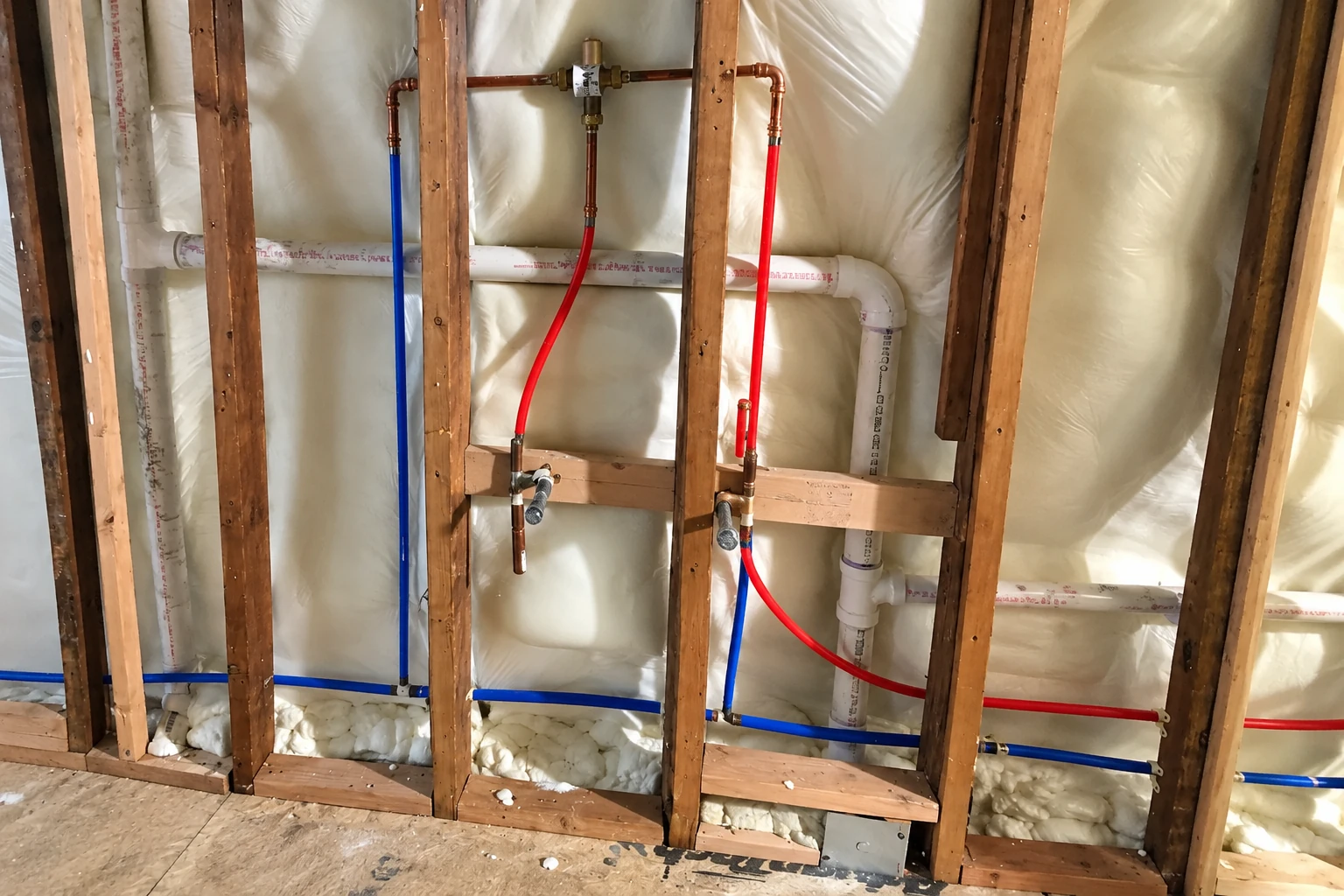
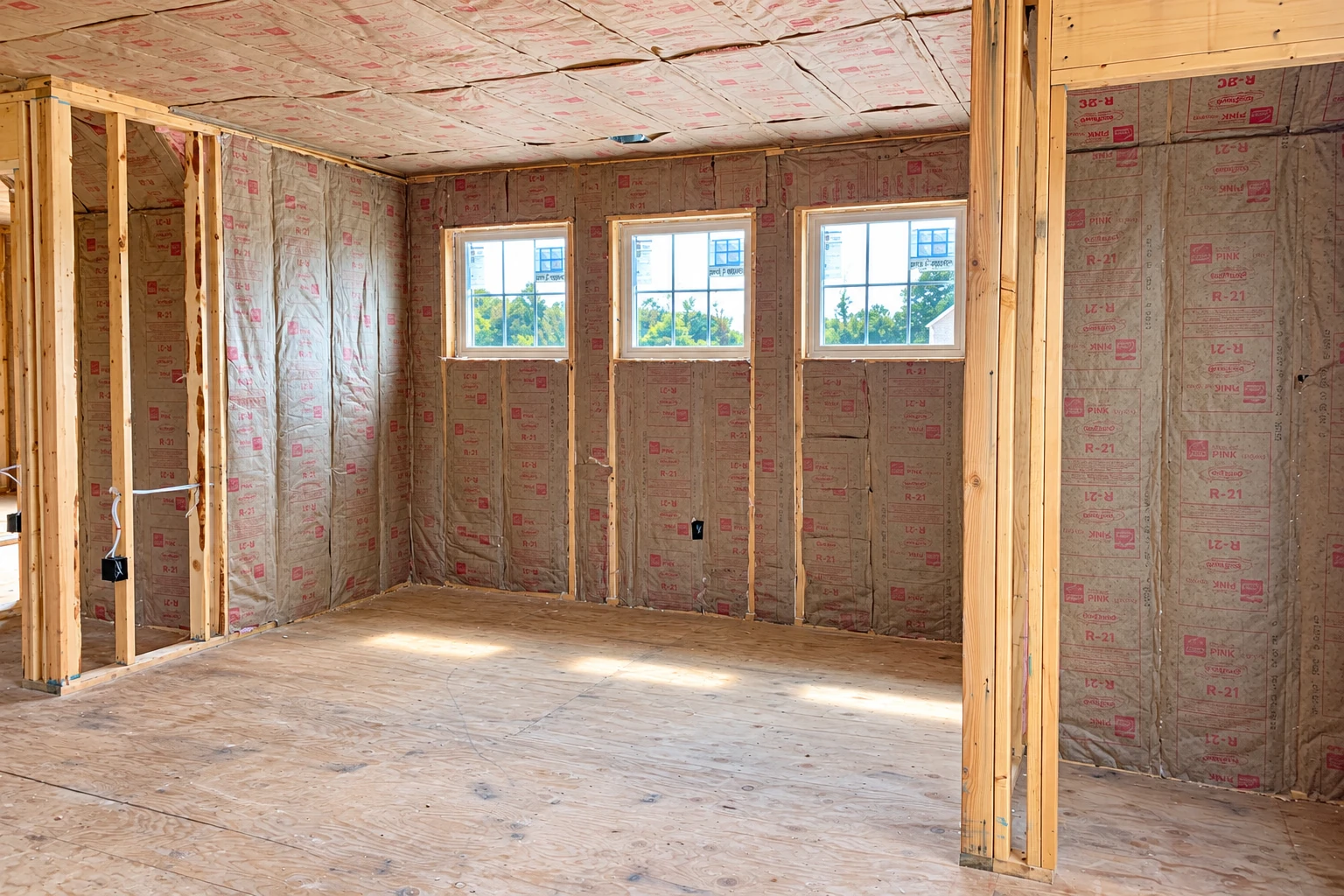
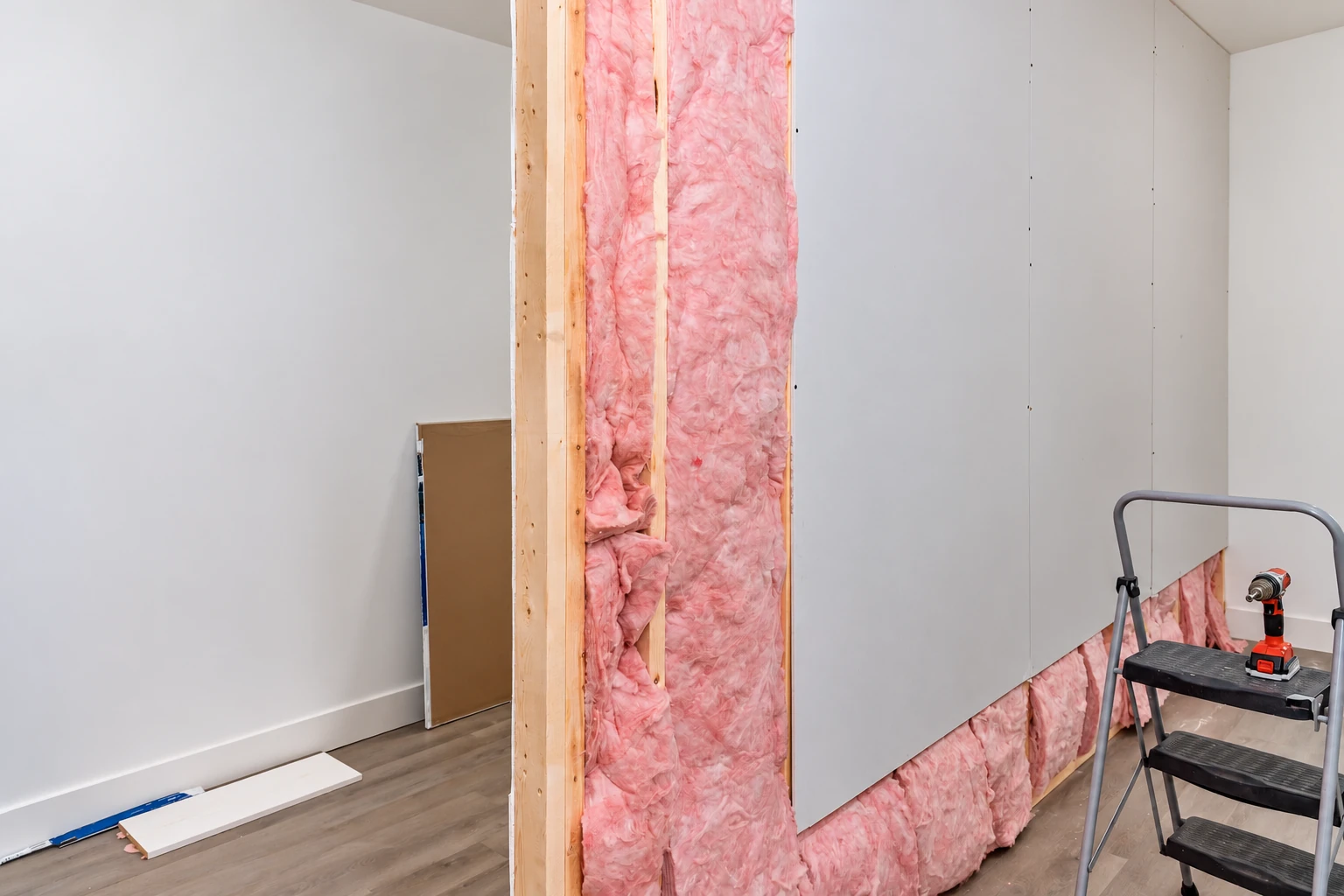
We're based in Sun Valley and do the same insulation work in Fernley that we do in Sparks and the cities around it. The calls here sound like the ones closer to home. It might be a hot room over the garage, floors that stay cold over the crawl space, a drafty hallway or a power bill that keeps creeping up. People fixing up older houses call too, and so do a few small business owners with a shop or office to sort out.
Inside city limits, the City of Fernley handles building codes, zoning and business licenses, so that's the office our paperwork goes through. Three things shape the job most: the house's age, how it was insulated when it was built, and how easy the attic or crawl space is to get into.
What sets the price and how long it takes
Price comes down to the size of the space, how many inches are already up there, and whether old material has to come out before anything new goes in. The material matters too, since foam costs more than blown-in, which is loose fill blown through a hose. How easy the attic or crawl space is to reach and how many gaps need sealing move both the price and the schedule. A job that needs a permit also waits on the city's inspection calendar. After I look, you get it in writing, with what I'd do first and what can wait.
What we check before adding anything
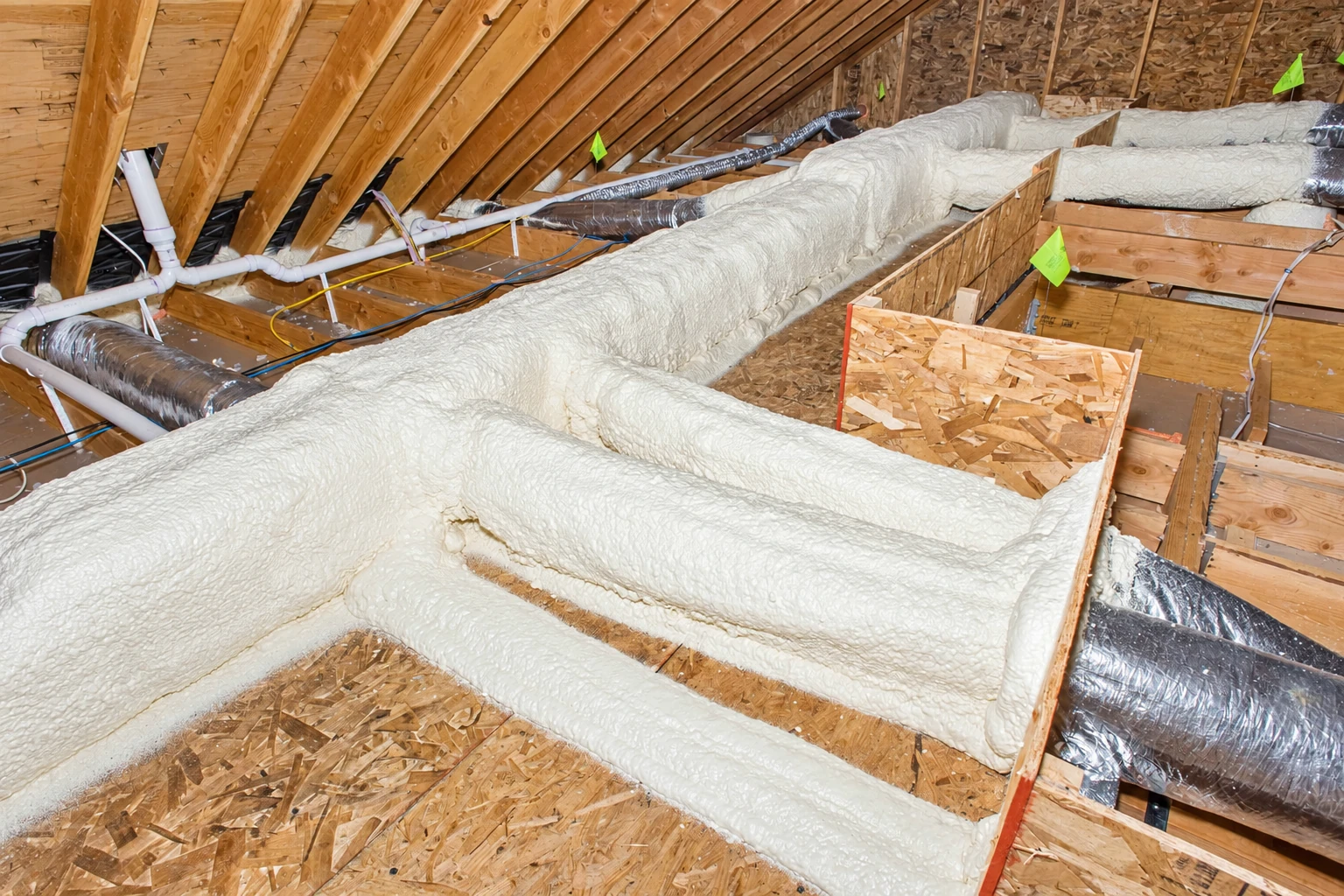
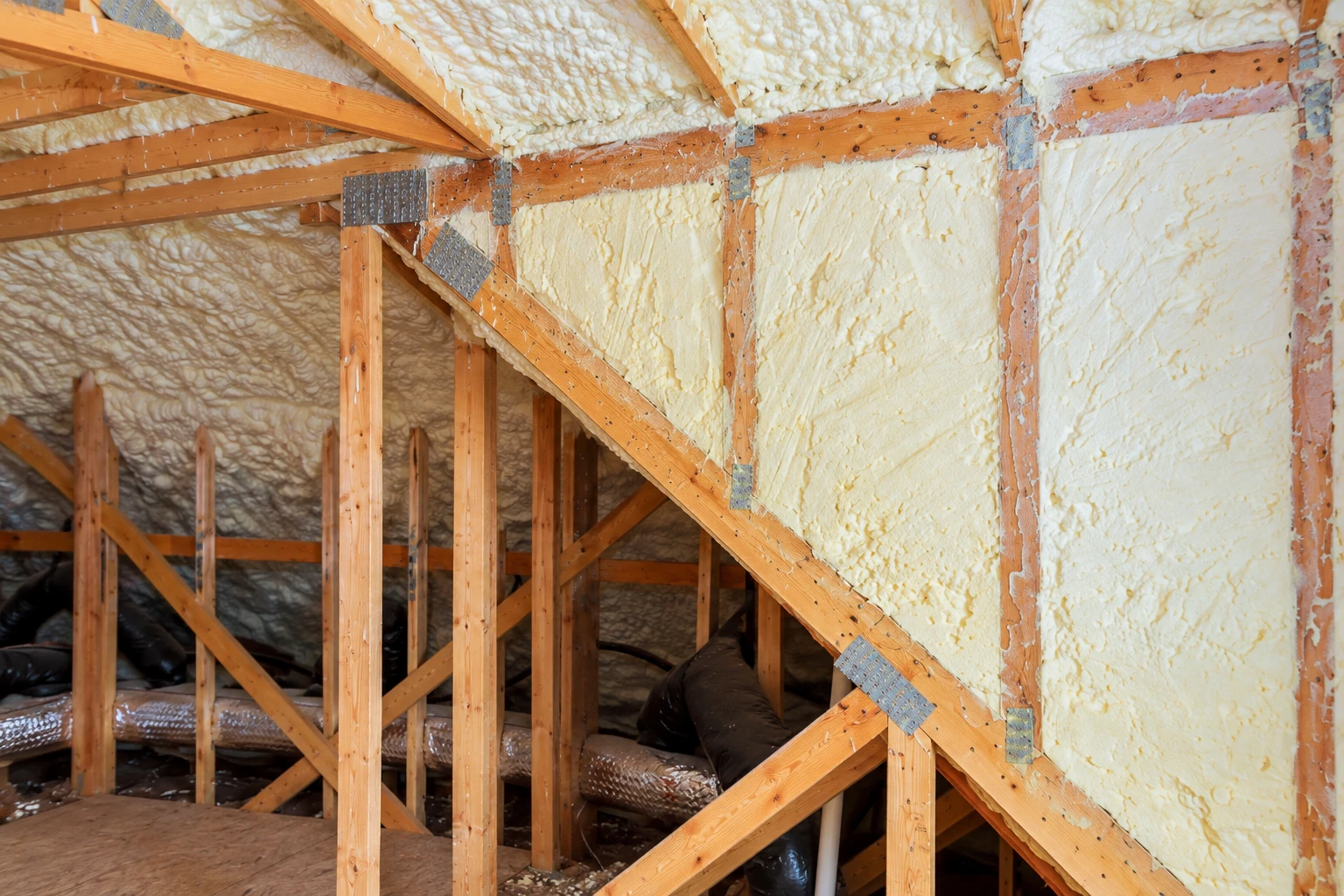
New insulation laid over a problem just buries it, so I look before I quote. If the old fill was soaked or full of droppings, it comes out, because fresh material on top keeps the problem in your house. We do the air sealing first, closing the gaps around can lights, pipes and the attic hatch so the new layer isn't fighting a draft. We keep the eave vents clear so the attic can breathe, and we bring the edges up to full depth, where coverage is usually thinnest. Foam seals and insulates in one pass but costs more. I'd usually seal the gaps and top up the loose fill instead, unless your ductwork runs through the attic.
Getting the house ready for our crew
Most of the work happens in the attic, the crawl space or the room over the garage, so what helps most is a clear path to the hatch or access door. Move boxes and anything stored under the opening, and leave the garage clear if that's how we're getting in. I'm usually the one who comes out to look and write the estimate, and our install crew does the work with a lead installer on site you can ask questions. If the cold is coming through the walls and not the ceiling, wall insulation is a separate job, and I'll tell you whether it's worth doing now or later.