I started this company in Sun Valley in 2023, and this valley is still home base for our crew. It sits on its own, with Sparks to the east and Reno to the west, and we do the same work in both.
The calls here tend to sound alike. An upstairs bedroom that won't cool off in July, a room over the garage nobody wants to sit in, floors that stay cold all winter, a power bill that keeps climbing. Most of it traces back to the attic or the crawl space. In older houses we usually find a thin layer that settled years ago, gaps around light fixtures and pipes that were never sealed, and sometimes insulation that got wet or became home to mice. That's why I look before I quote, because new material laid over a problem just buries it.
What sets the price and the schedule
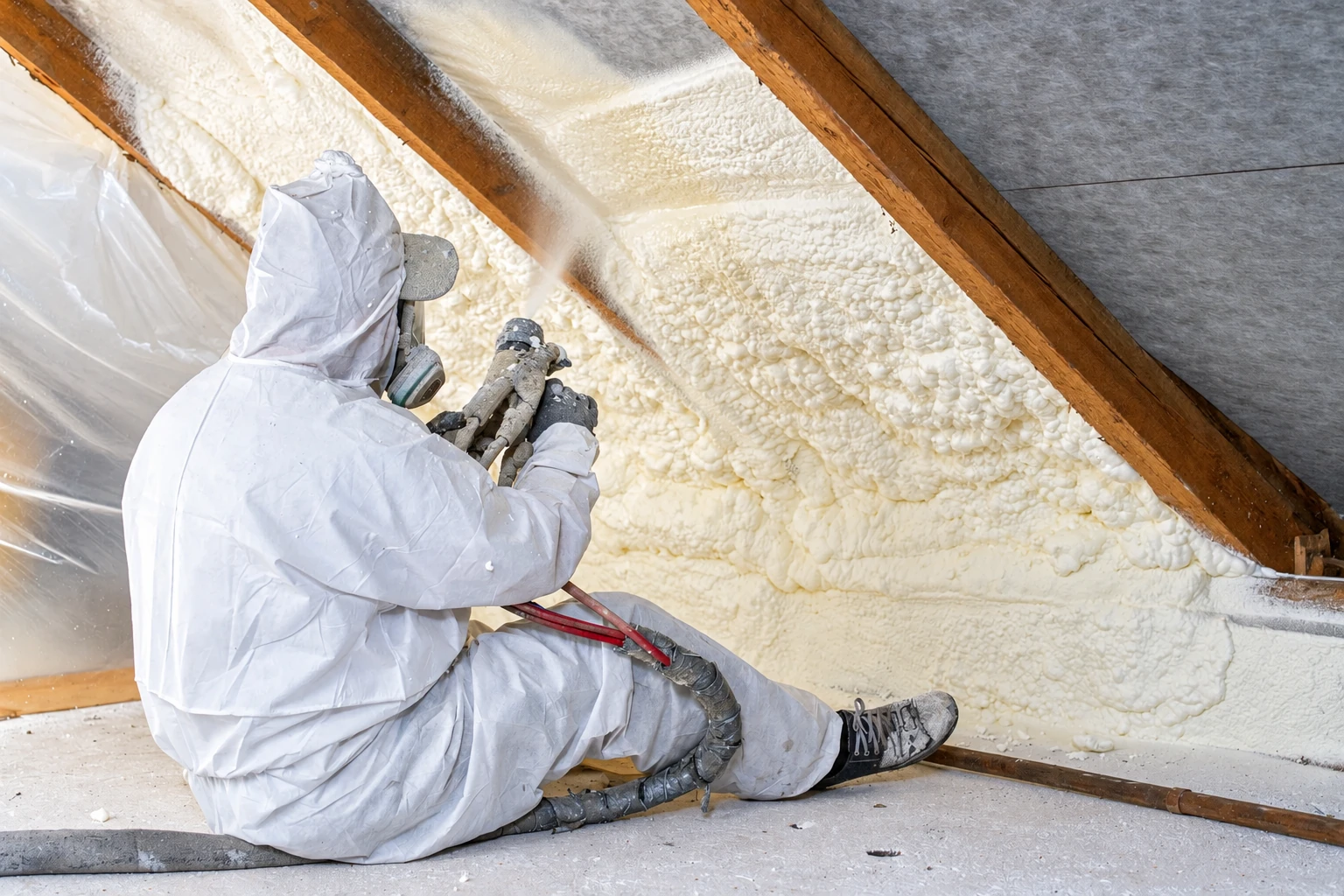
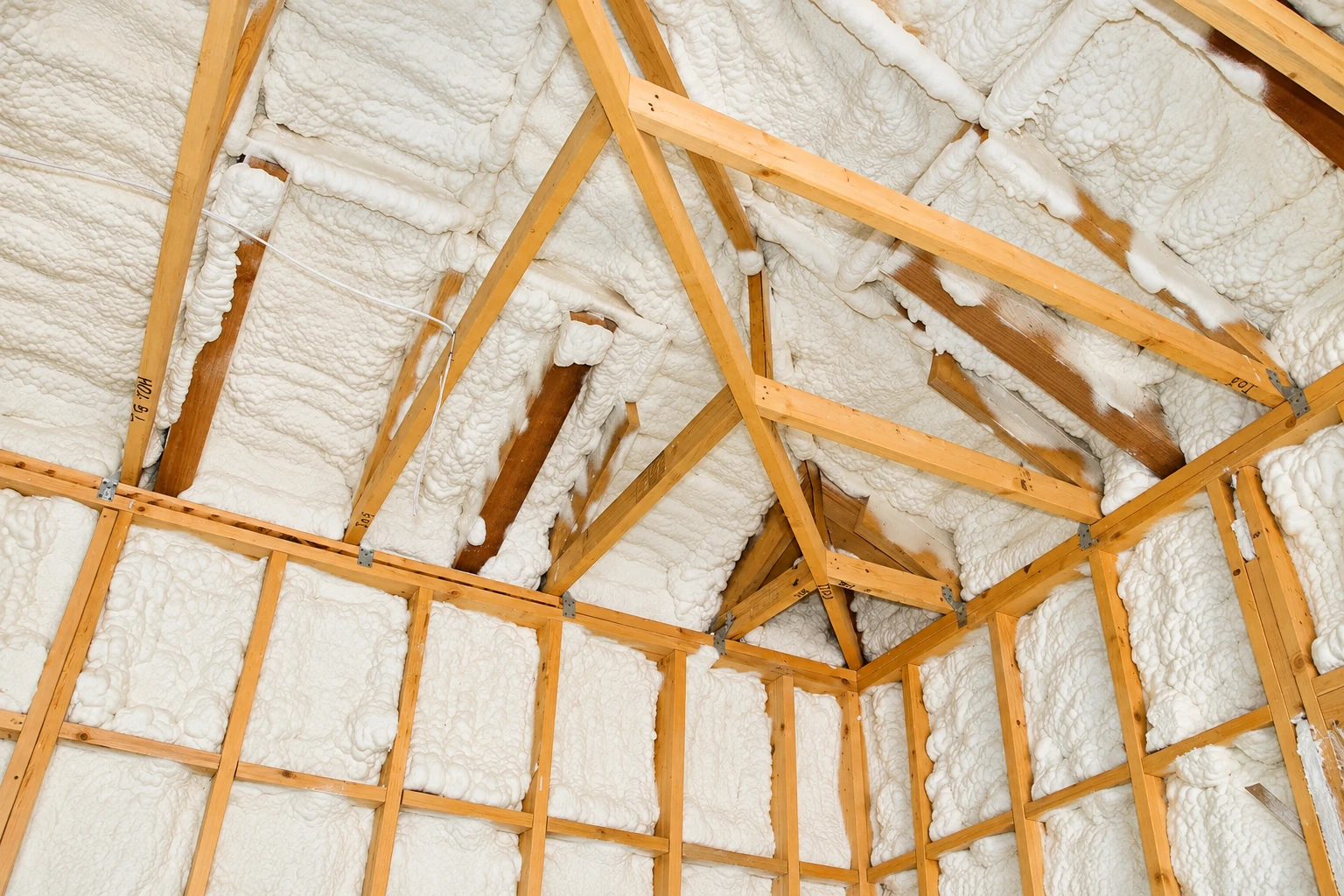
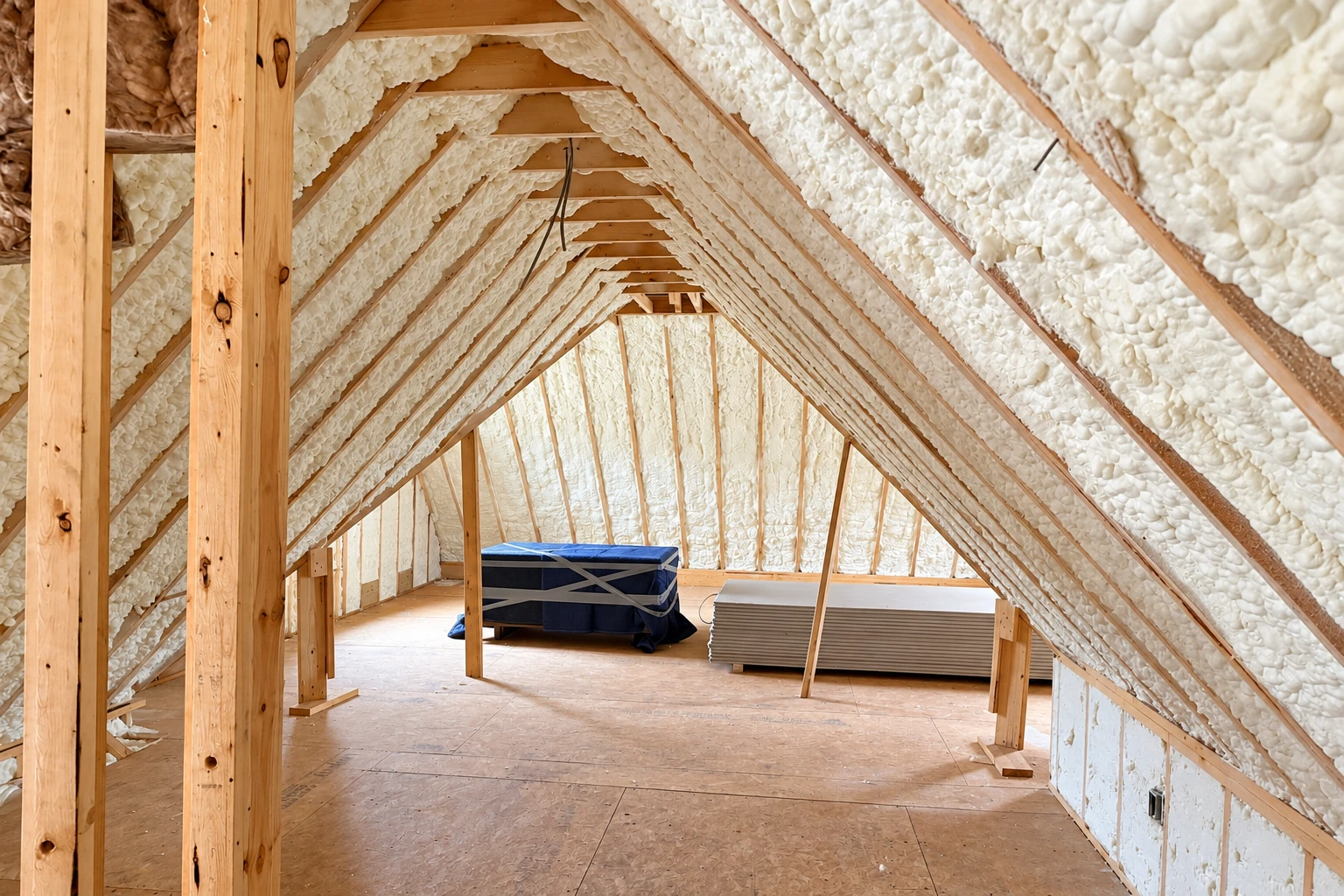
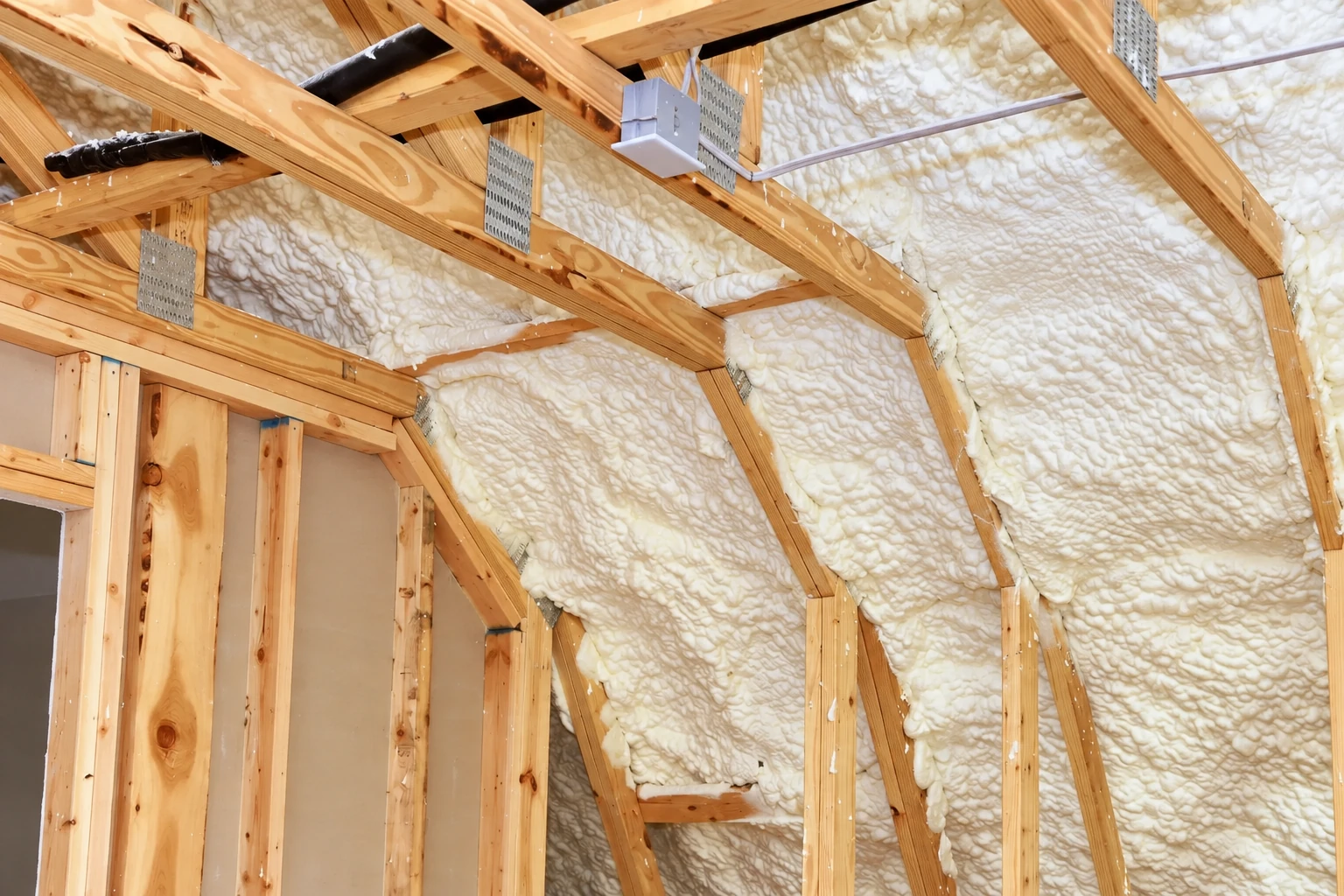
Price turns on the size of the space, how easy it is to reach and what's up there now. Topping up clean loose fill costs far less than clearing out material that got soaked or full of droppings. Spray foam insulation costs more because it seals air and insulates in one pass, and it earns that when your ductwork runs through the attic. Otherwise, sealing the gaps around lights, pipes and the hatch, then blowing in loose fill, usually gives you more for the money. The schedule turns on whether old material comes out first and whether a permit is needed. At the estimate I look at the space, explain what I'd do first and put it in writing.
Licenses a contractor needs to work here
Sun Valley isn't incorporated, so the rules here come from Washoe County and the state, not a city hall. Nevada requires anyone who builds or alters a building to be licensed by the state contractors board before they even bid, and that includes subcontractors and specialty trades. The county adds its own business license for any company that comes into the unincorporated county to work, even one based somewhere else. So whoever insulates your house here should hold both. We're licensed and fully insured, and I'd rather you ask than assume.
Getting the attic and crawl space ready
We get in through the attic hatch and the crawl space door, so a clear path to both saves time on the day. If boxes sit over the hatch or the crawl space entry is tucked behind a deck, tell me at the estimate and we'll plan around it. The county's building rules plan for winter nights down around 17°F, and bare framing over a crawl space lets that cold straight into your floors. Up top we keep the eave vents open, because insulation piled over them stops the attic from breathing and moisture shows up in the framing. Keep kids and pets out of the work area while we're in there.