
Reno calls usually start with a drafty bedroom, a hot upstairs, cold floors over a crawl space or a power bill that keeps climbing. They come from older houses people are fixing up, from newer homes and from a few small shops and offices. We're based nearby in Sun Valley and do the same work in Sparks and Spanish Springs.
In an older Reno house, what's already in the attic usually decides the job, because thin or soiled fill has to be dealt with before anything new goes on. In newer homes the insulation is often fine, and the leaks around it are what make a room uncomfortable.
What I check before I quote
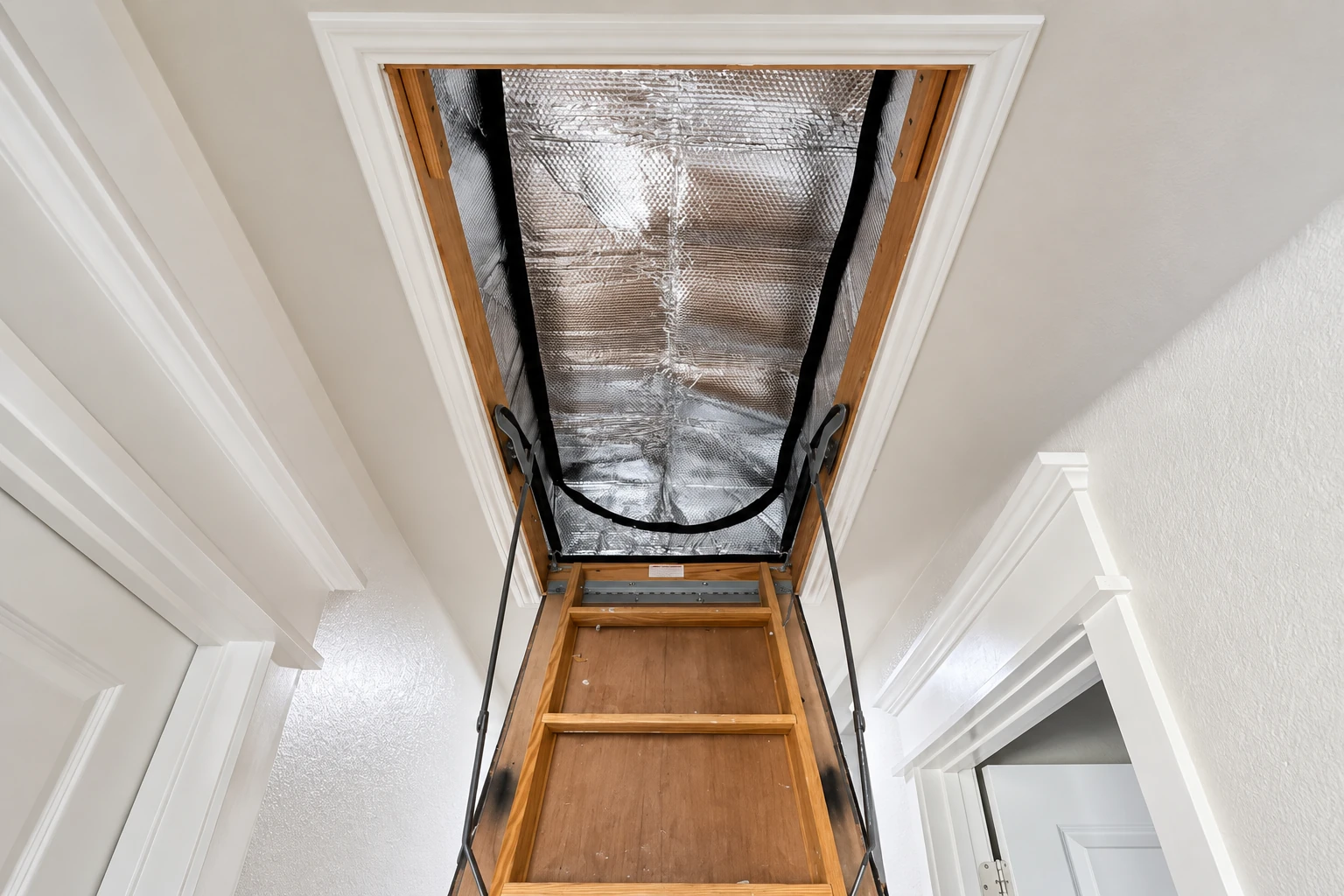
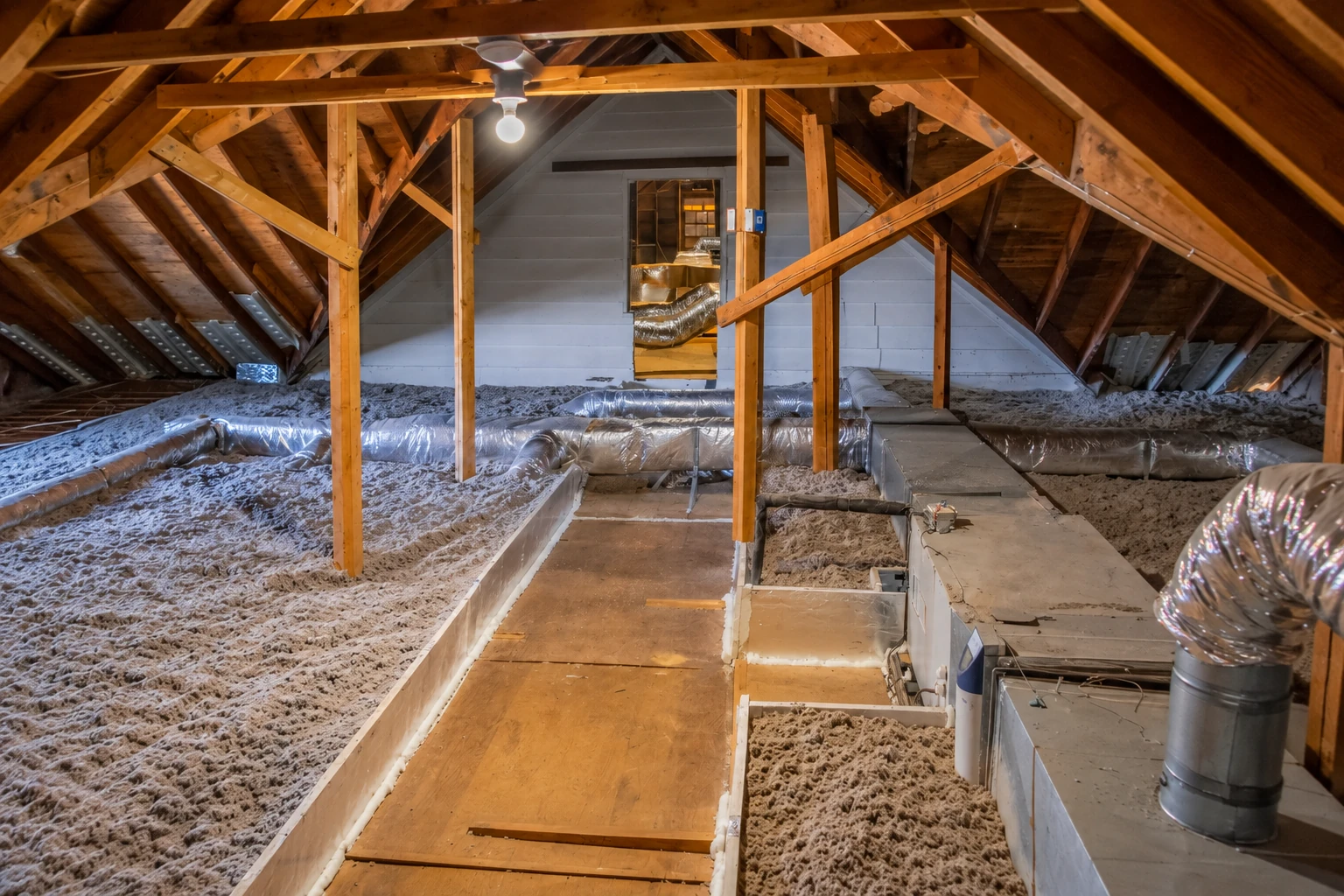
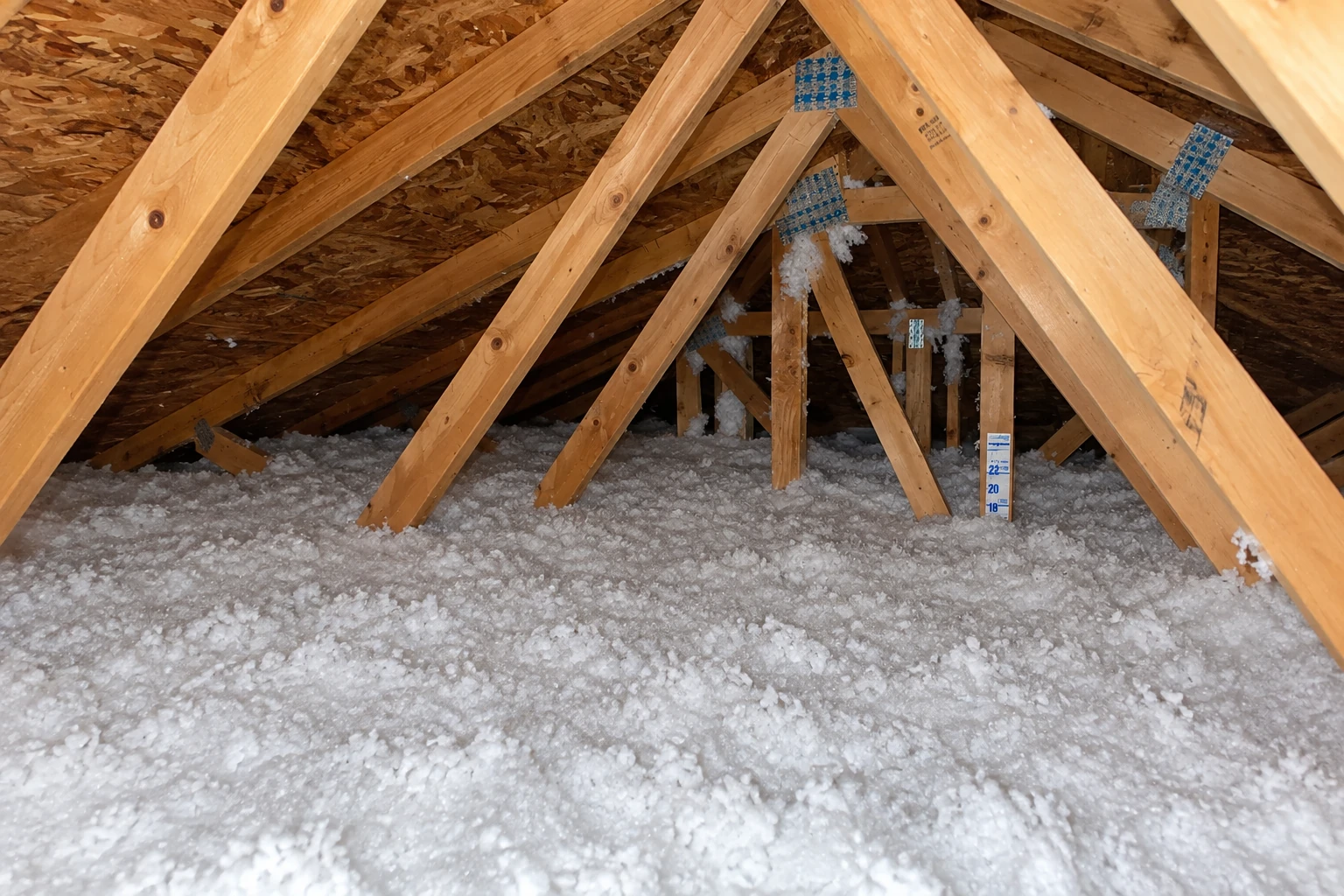
I'm usually the one who comes out, and I start with how many inches are already up there and what shape they're in, because fill that got wet or holds rodent droppings has to come out before anything goes on top. Then I look for gaps around can lights, pipes and the hatch, and check that the eave vents at the roof edge aren't buried. The size of the space, how easy it is to reach, any removal and foam versus loose fill move the price. Removal and a permit, when one's needed, can move the start date. You get it in writing, and our attic insulation page goes deeper.
Why we seal the gaps before adding more
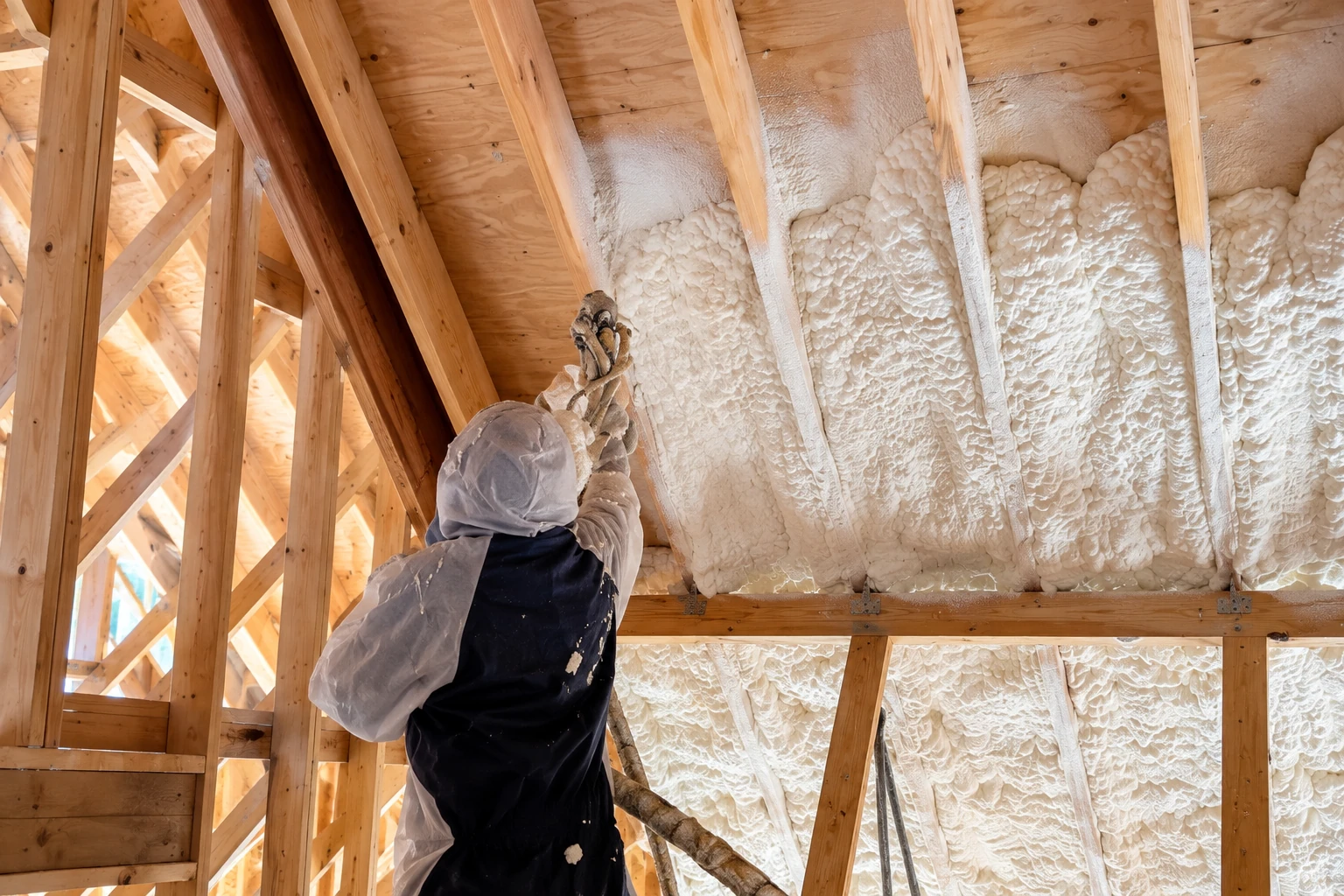
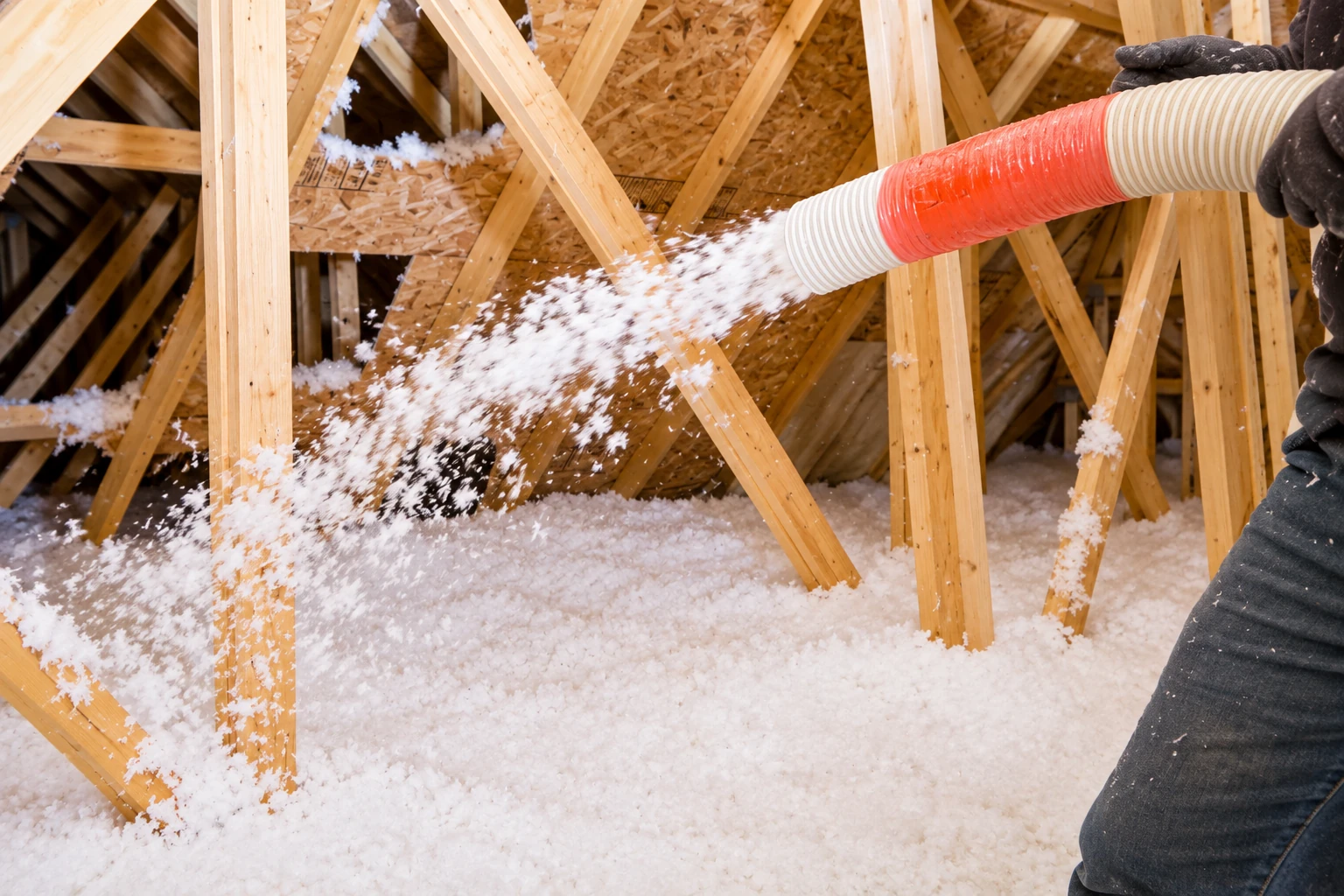
Insulation laid over open gaps just fights a draft, so our crew starts with air sealing, closing the holes where house air leaks into the attic. Spray foam seals and insulates in one pass, but it costs more. In most Reno attics I'd rather seal the gaps and top up the blown-in, loose fill blown through a hose, because that puts your money where it does the most good. The exception is ductwork running through the attic, where foam usually earns its price. We also keep the depth even out to the edges and leave the eave vents open, so the attic can still breathe and moisture doesn't settle in the framing.
Getting ready and coming back inside
Clear a path to the attic hatch and whatever sits under it, a closet shelf or a corner of the garage, so the crew isn't working around your things. With blown-in work most people stay home and just keep kids and pets out of that room. Spray foam is different. Everyone, pets included, leaves while it goes on and stays out until the re-entry time, the wait before it's safe to come back, that the foam maker sets for that product. I'll tell you that time before the day, and a lead installer runs the job on site.