
Sparks is next door to Reno and a short drive from our base in Sun Valley, so it's easy ground for us. The houses run from older homes near downtown to newer neighborhoods spreading north toward Spanish Springs.
Summers here are hot, with July highs averaging about 92°F, and December nights average around 25°F, with only about 8 inches of rain and snow in a year. That means your attic works hard in both seasons, keeping heat out of the upstairs in July and keeping it in the living space all winter. In the older homes we usually find less insulation up there and more air leaking through. Newer houses more often have a hot room over the garage or cold floors over a crawl space. So the job here starts with what your house is doing, not with a set number of inches.
What sets the price and the schedule
The price turns on how big the attic or crawl space is, how many inches are already up there, and whether old material has to come out first. Closing the gaps before we insulate, what we call air sealing, adds labor, foam costs more than loose fill, and a tight hatch or a low roof slows the crew down. The schedule depends mostly on removal and, for foam, the wait before you can go back inside. I come out, look at the space, tell you what I'd do first and what can wait, and put it in writing so you can compare.
Why I look before adding anything
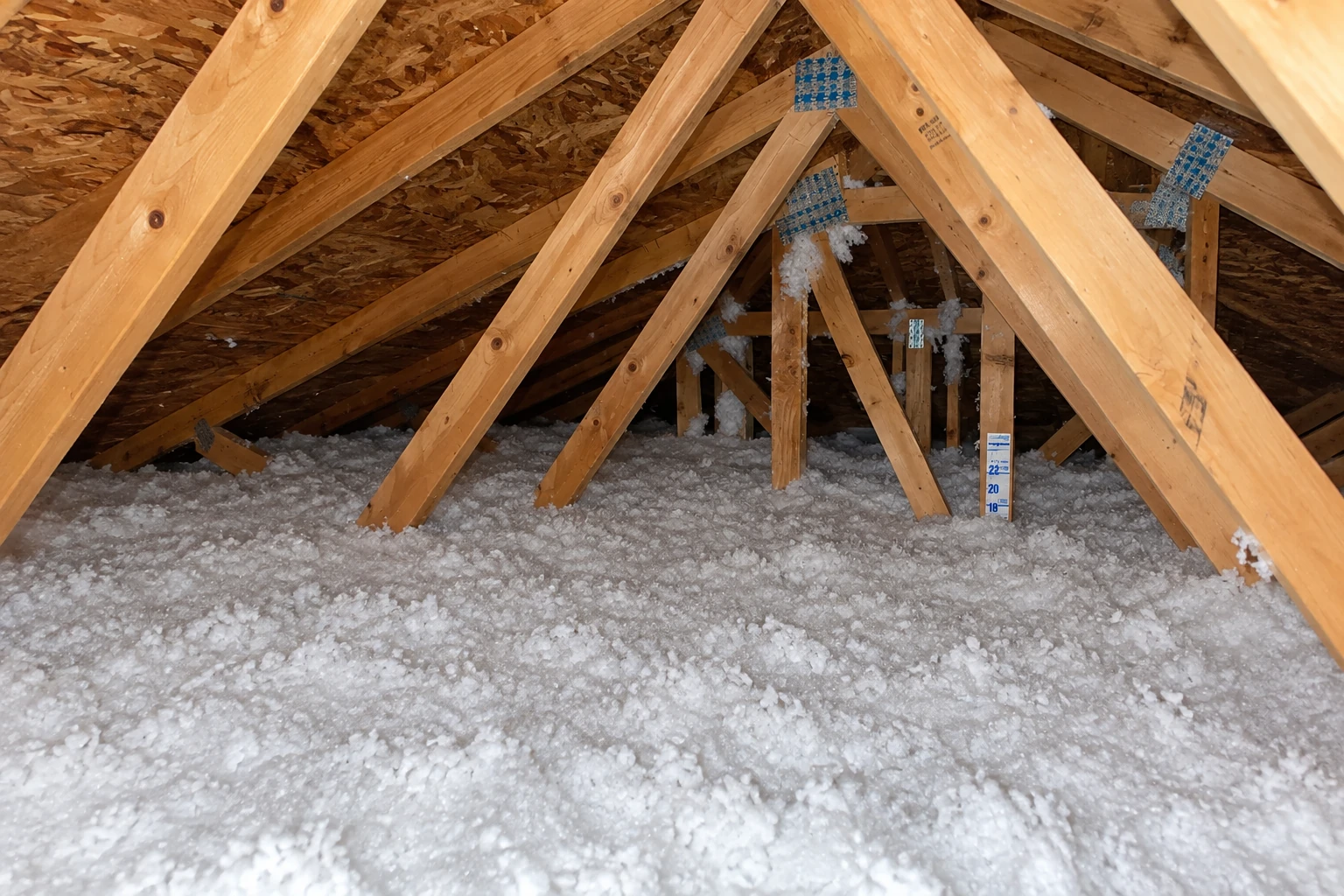
The most common mistake I see is fresh insulation laid over old material that got soaked or filled with droppings, so the smell and the damp stay put. Next is unsealed gaps around can lights, pipes and the hatch, which leave new insulation fighting a draft. I also check that the eave vents along the edge of the roof are clear, because burying them stops the attic from breathing and moisture shows up in the framing. The edges matter too, since a lot of attics are deep in the middle and thin right where the cold gets in.
Foam or blown-in for your attic
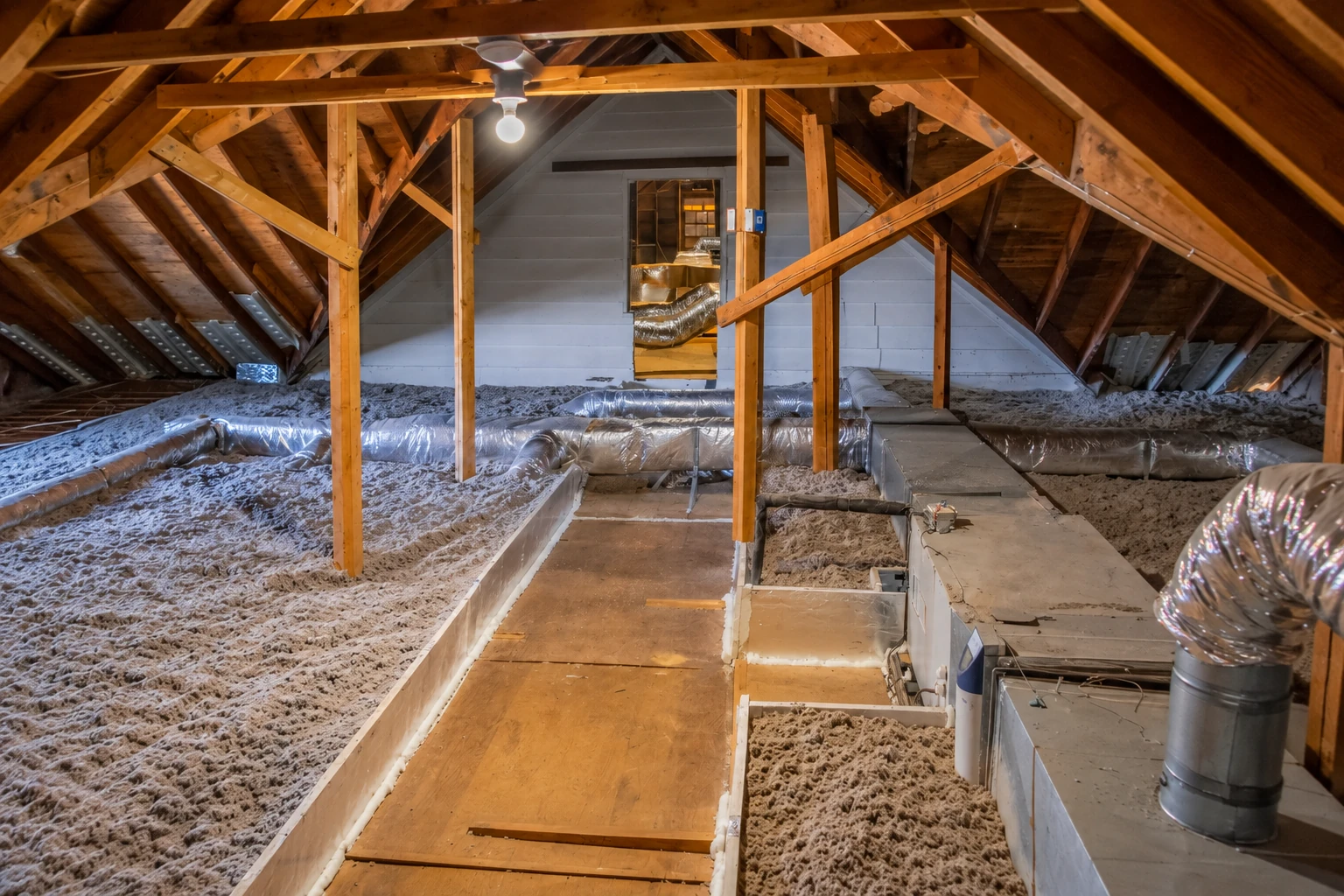
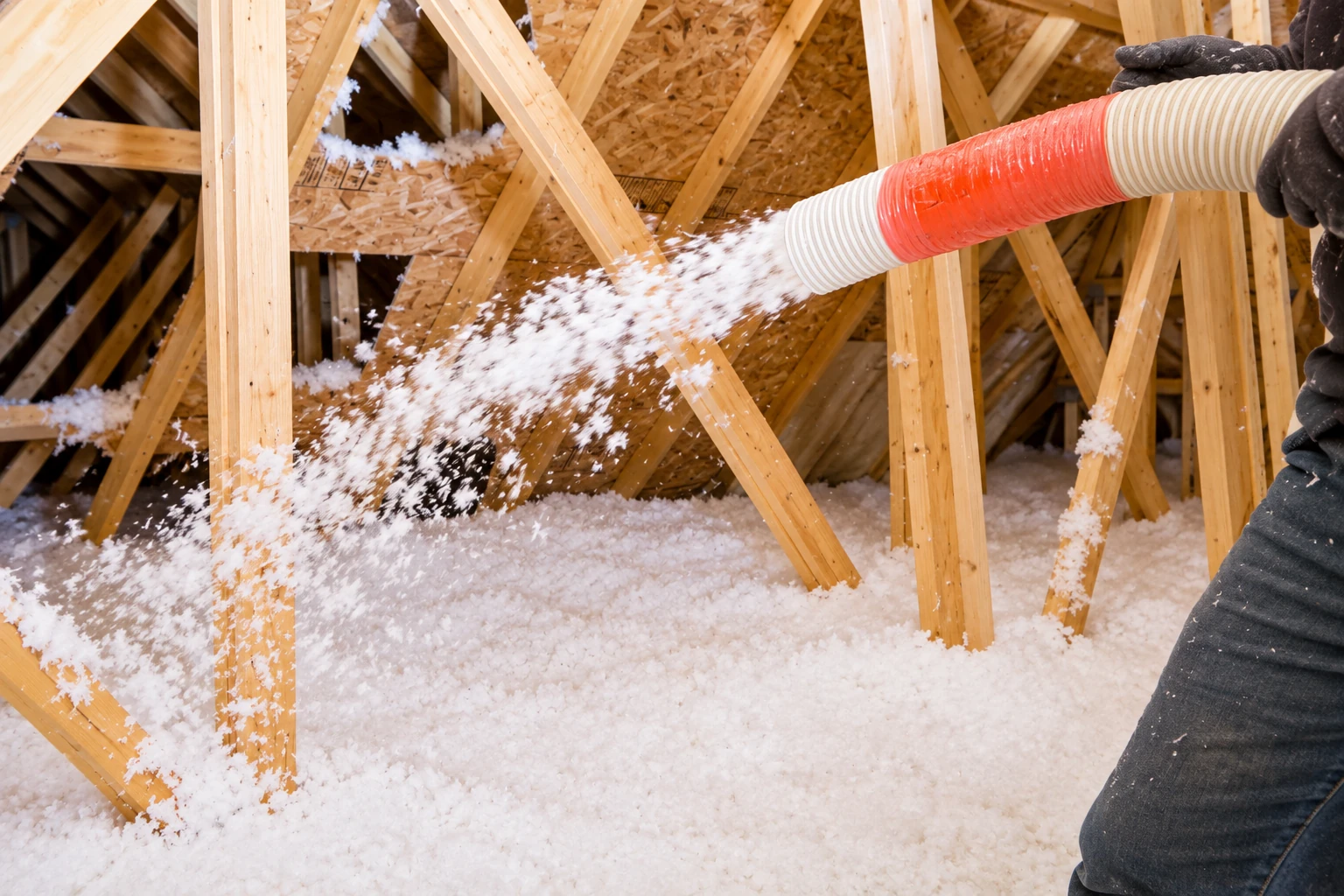
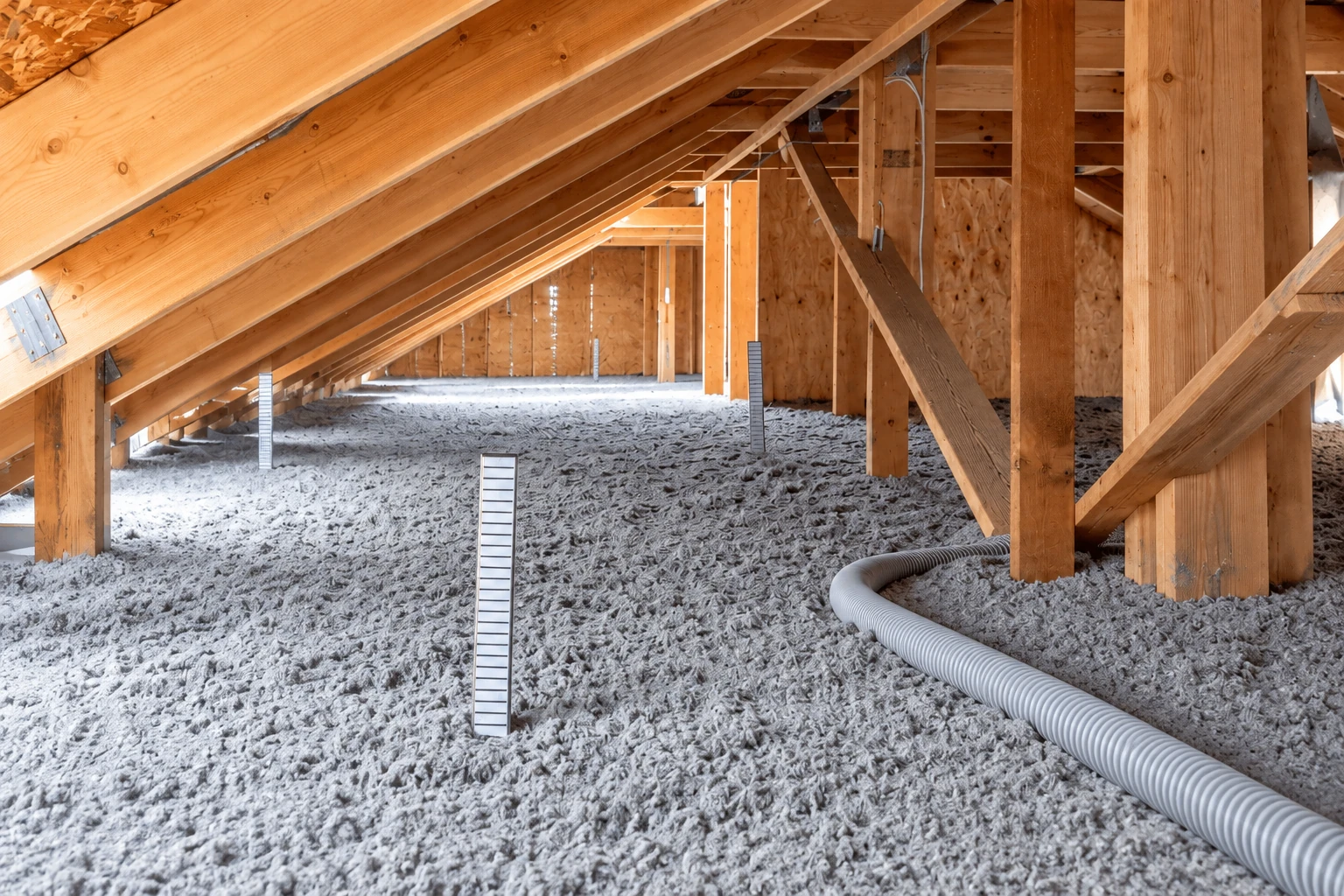
Spray foam costs more, and it seals air while it insulates, which matters most when your ductwork runs through the attic. For most attics without ducts up there, sealing the gaps and topping up with blown-in insulation, loose fill blown in through a hose, gets you more for your money. That's usually what I recommend first. Foam earns its cost in tight spots like the room over the garage, or where you want closed-cell foam, the dense kind that also blocks moisture. When the cheaper fix does the job, that's the one I'd rather quote you.