
Carson City is a short drive south from our base in Sun Valley, and I'm usually the one who comes down to look at the job and write the estimate. The calls here sound like the ones we get across the area: a hot upstairs bedroom, a room over the garage nobody wants to sit in, cold floors and a power bill that keeps climbing. We do the same work in Reno and out in Fernley, so these problems are familiar.
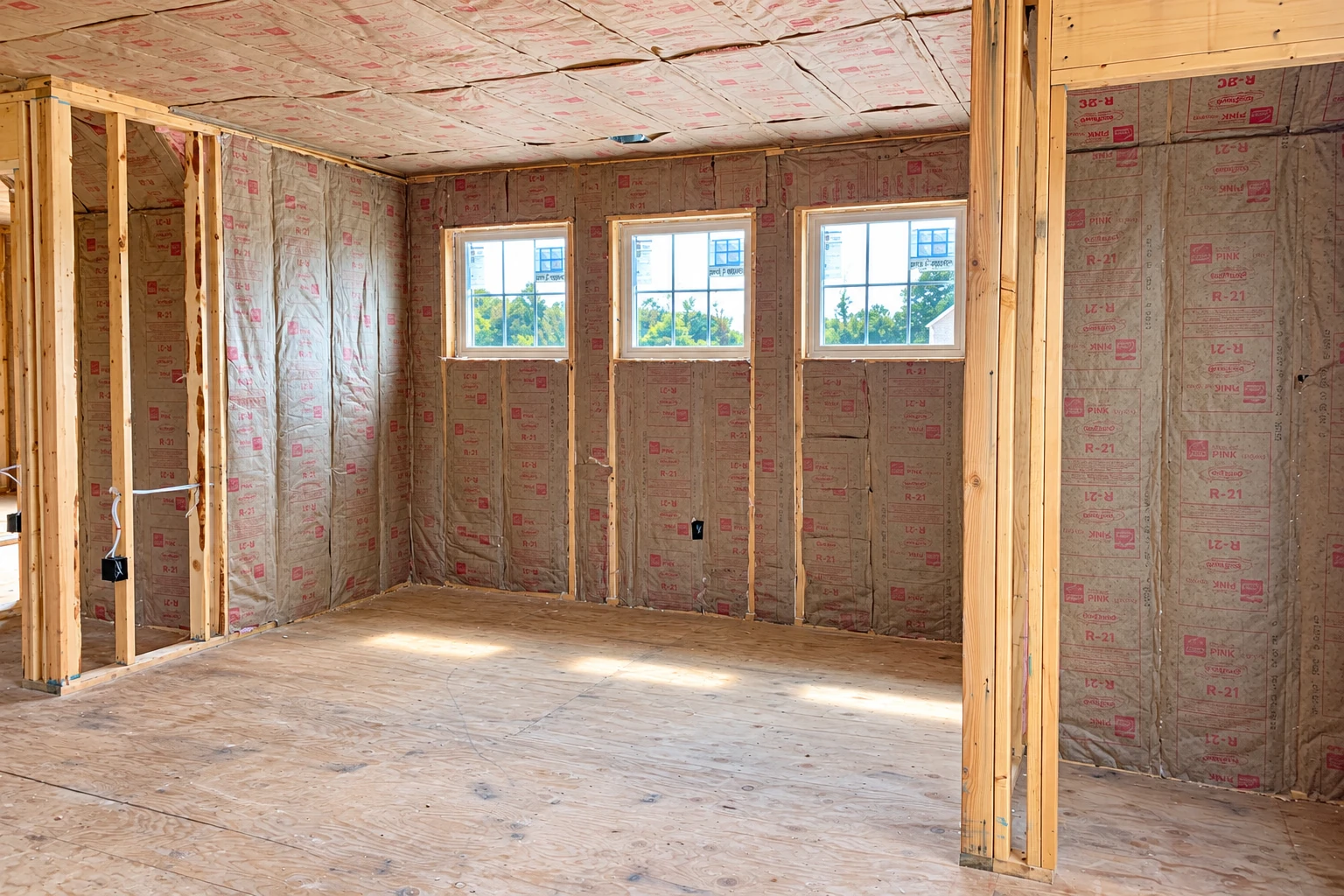
The houses here run from older homes to newer builds, and that mix shapes most jobs. An older attic often has a few tired inches and gaps nobody sealed, while a newer one may only need topping up where it's thin.
What we check in the attic first
Before anything new goes in, I look at what's already up there, because fresh insulation laid over material that got soaked or is full of droppings just covers the problem. We check how many inches you have and where they sit, since attics often end up deep in the middle and thin at the edges, which is backward. Then we do air sealing, closing the gaps around can lights, pipes and the hatch, so the new layer isn't fighting a draft. We keep the eave vents clear too, because a buried vent stops the attic breathing and moisture shows up in the framing.
What drives the price and the timing
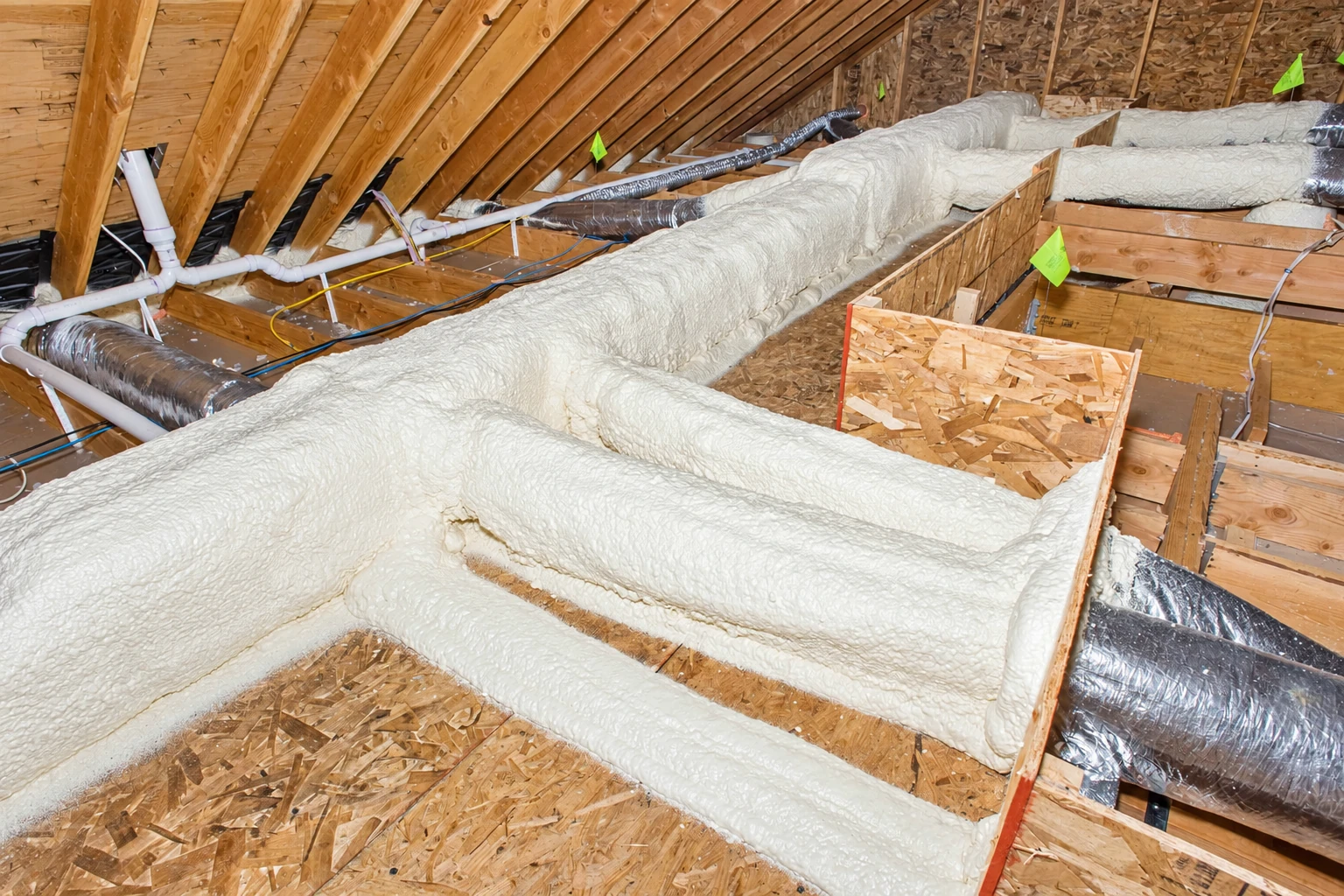
Price comes down to the size of the space, what's up there now, whether old material has to come out first and whether the job calls for foam or loose fill. Foam costs more, so I only point you to it when it earns its keep. Timing turns on the same things, plus the permit question, since we check which office covers your address before we book the work. A top-up moves faster than a tear-out and redo. I'll tell you what comes first and what can wait, and your estimate puts your own number in writing.
Getting the house ready for our crew
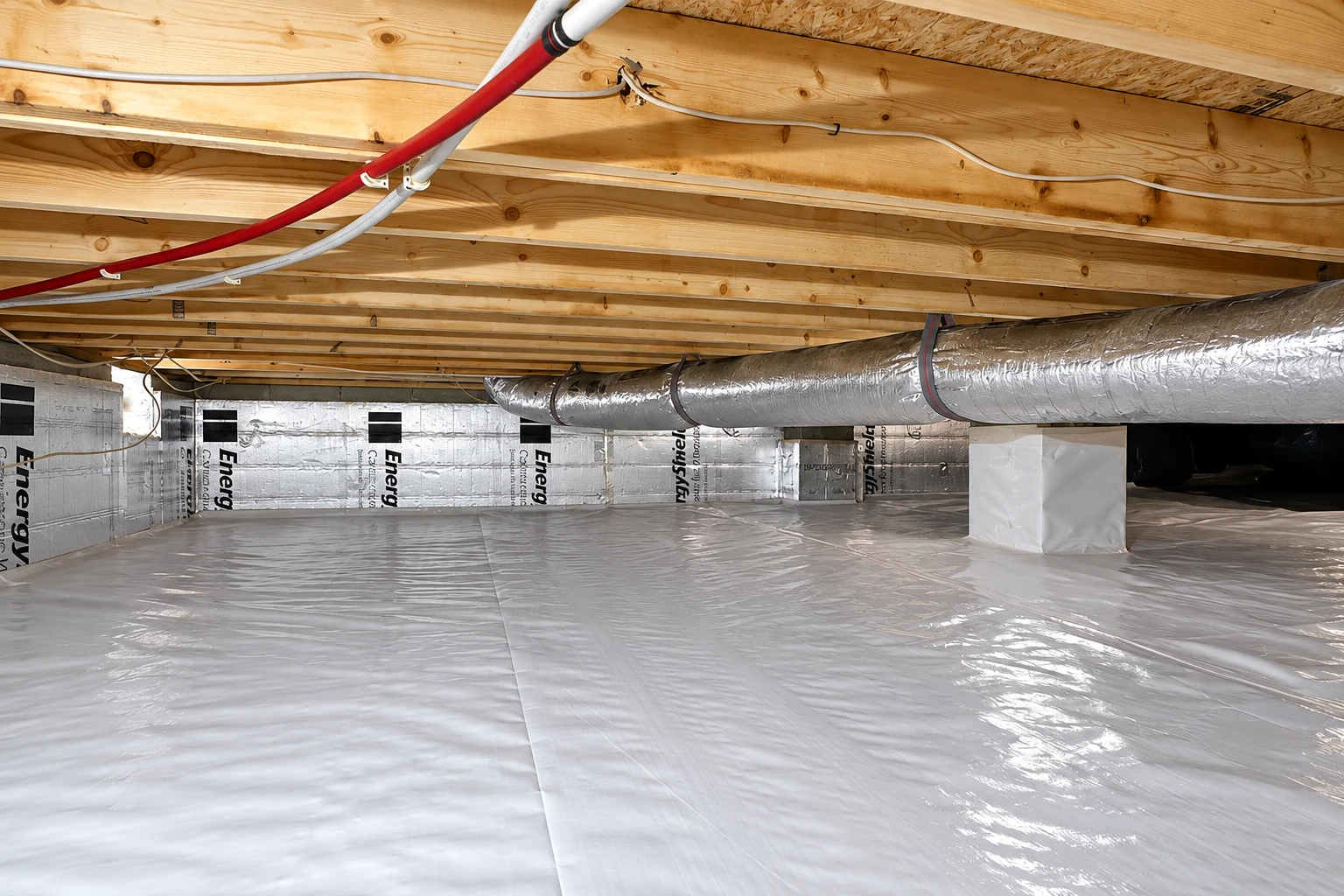
Our crew needs a clear path to the attic hatch or the crawl space door, so it helps to move boxes and furniture out of the way before we arrive. If the hatch is in a closet, clear the closet too, because hoses and gear go through there all day. For a room over the garage, we may need space to park close and run a hose. Under the house, we look at access and moisture before we talk about crawl space insulation. A lead installer is on site with the crew, so you have one person to ask.