
Open-cell foam insulation in Sun Valley NV - quieter rooms, sealed against drafts
Drafty bedrooms, a noisy room over the garage or a power bill that keeps climbing? We spray open-cell foam that seals the gaps and quiets the house.
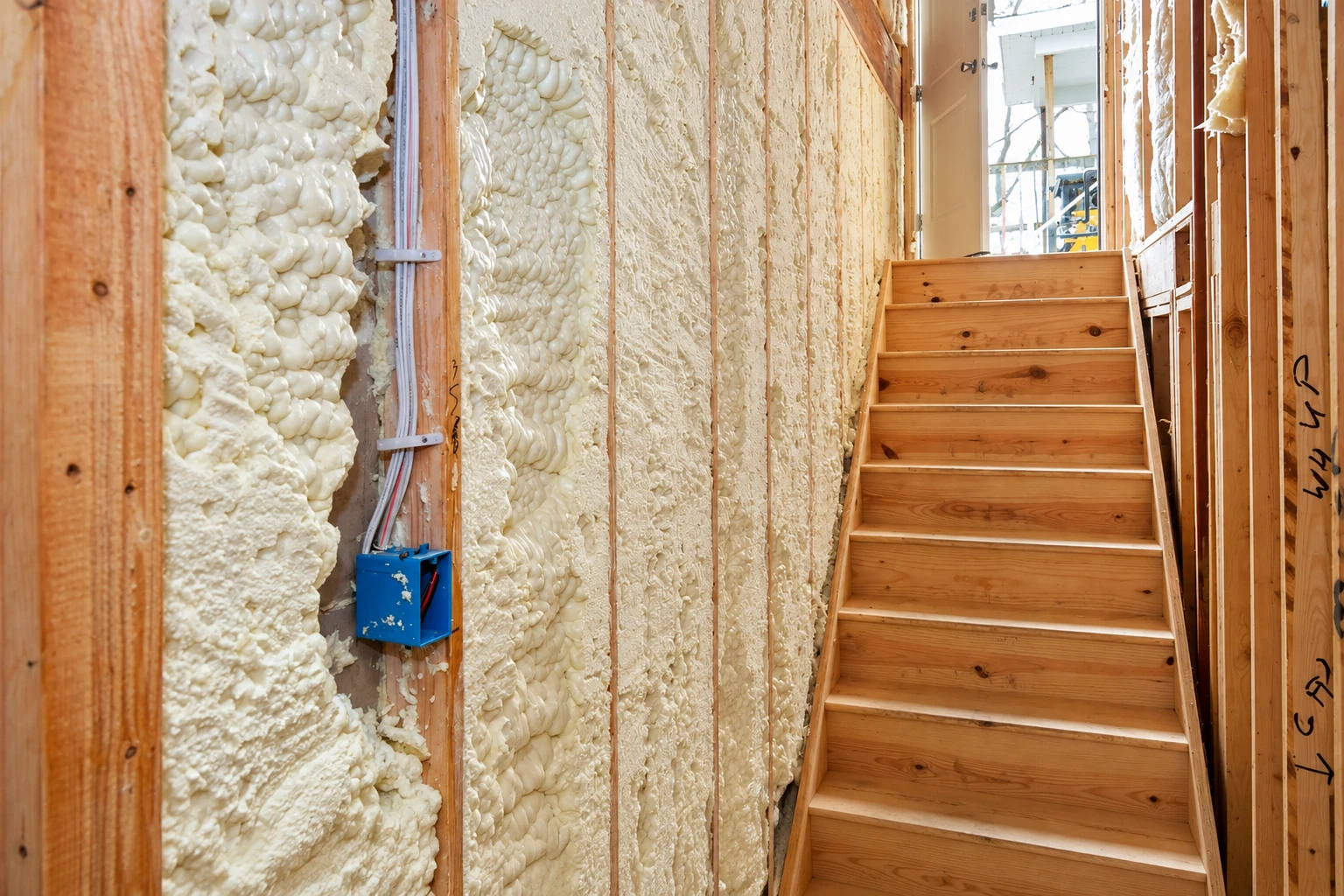
The owner comes out to look
I'm usually the one who looks at your space and writes the estimate. Our install crew does the work with a lead installer on site, so someone who knows the plan is there the whole time.
Told what comes first, and what can wait
I started this company in Sun Valley in 2023, three years ago, after learning the trade beside experienced installers. I'd rather tell you a job isn't worth doing than sell you foam your house doesn't need yet.
Licensed and fully insured on every job
We're licensed and fully insured. Your satisfaction, guaranteed. When you're ready, call (775) 447-1132 or send us a note and tell us which rooms are giving you trouble.
Open-cell spray foam for Sun Valley homes
Open-cell foam insulation is a soft spray foam that expands into cracks and gaps, so it blocks outside air and slows heat in one pass. In Sun Valley, NV it suits homeowners with drafty rooms, cold floors or a bedroom that picks up every bit of street noise.
Most calls start with a room that never feels right, or a power bill that keeps going up. The price turns on how much area we cover, how thick the foam goes, how hard the space is to reach and whether old insulation has to come out first, because foam over soaked or dirty material just buries the problem. The schedule turns on prep, any permit and the time you'll be out of the house.
The big decisions are whether foam suits the people living there and where it should go. Both open-cell and closed-cell foam count as combustible, so building codes set rules for where foam goes and how it's covered, and we plan the job around them. We check which office covers your address. In Sun Valley that's Washoe County, which takes permit applications online, and we handle the permit when your job calls for one.
Open-cell foam and the prep, sealing and cleanup around it
We ask about health before quoting
At the estimate I ask whether anyone in the house has asthma, allergies or skin trouble. Spray foam isn't the right fit for every household, and you should make that call with the facts in front of you, before any money changes hands. If foam looks like a poor match, I'll say so and talk through other ways to stop the draft, like blown-in insulation, which is loose fill blown through a hose, paired with air sealing around the gaps.
Where open-cell foam earns its cost
Open-cell foam is the pick when you want quieter rooms and a sealed shell for less than closed-cell would run. In an attic with no ducts, sealing the gaps and topping up loose fill usually does more for your money, so that's what I'd suggest first. When the ductwork lives up there, foam on the roofline makes more sense. It also works well in walls around a home office or the room over the garage, and shop and office owners use it to cut noise through our commercial insulation work.
Moisture, mess and the cleanup
Open-cell foam stops air, but water vapor can still pass through it, so under the house we look at the ground and the framing before we spray anything, and a crawl space vapor barrier may need to go in first. Crews usually close off the work area with plastic sheeting, seams overlapped and taped, so overspray stays where the work is. When the spraying's done, we trim the excess foam, bag the scraps and clean up before we walk the job with you.
Get a written estimate for open-cell foam
We'll get back to you within one business day to set up a visit. The estimate is free, done at your house, with no pressure and no obligation.
(775) 447-1132How an open-cell foam job goes
Tell us about the space
Call (775) 447-1132 or use the form and tell us which area you want insulated. Mention anyone at home with asthma, allergies or skin trouble, because that decides whether foam is even the right call.
We look at it together
I come out, look at the space with you and tell you right there what I'd fix first, including anything under the old insulation that needs dealing with. Then I follow up with a written estimate you can weigh.
Prep, spray, cleanup, walk-through
Once you say go, we set the date and take care of any permit the work calls for. You plan your time away, our crew and lead installer do the job and clean up, and we walk through it together.
Open-cell foam questions from Sun Valley homeowners
How much does open-cell spray foam cost in Sun Valley, NV?
Open-cell spray foam in the Reno area usually costs about $1,800 to $2,700 for 1,000 square feet covered 3 inches thick. That's what the market charges for that size of job, not our price. Your own figure depends on your space, and I'll put it in writing at the estimate.
Is open-cell or closed-cell foam better for my house?
Open-cell is better when you want quieter rooms at a lower price, and closed-cell is better when you need the most insulation in a tight space. Closed-cell has the higher R-value, how well insulation slows heat, and is about twice as efficient per inch, while open-cell blocks sound far better. Our closed-cell foam insulation page covers the denser option.
How long do we have to stay out of the house after spray foam?
Plan on at least 24 hours away, which is the guidance from Consumer Product Safety Commission staff. The safe return time depends on the product, the house and whether children or older people live there, and EPA guidance says to wait until the foam has cured and the space has been aired out and cleaned.
Is spray foam safe if someone in my family has asthma?
It may not be the right choice, so it's worth weighing before you pick foam. The commission's staff advise people with asthma, breathing allergies, skin conditions or a past reaction to foam chemicals to read the product information carefully and consider other insulation if needed. The EPA says exposure to these chemicals can cause asthma, lung damage and skin and eye irritation.