
Spanish Springs sits in Spanish Springs Valley along the north edge of Sparks, a short drive from our base in Sun Valley. We work here along with Sparks and Cold Springs, and the calls usually start the same way, with a hot room upstairs or a cold one over the garage.
Most of what we see here is subdivision housing, a lot of it two-story with a bedroom or bonus room over the garage, plus some older places on bigger lots. In the newer tracts the attic usually has blown-in fill that was spread once and never touched again, with open gaps around the can lights and the hatch. The room over the garage often has floor insulation that sagged or was never sealed underneath, so it fights a draft all year. On the older places we're more likely to find a crawl space and insulation that's been stepped on, soaked or moved around by pests. That's why most jobs here start with sealing the gaps and checking what's already up there before anything new goes in.
What I look at first in your attic
When I come out, I go up the hatch first, because what's already there decides the job. I measure how many inches you have, look for spots that got wet or have droppings in them, and check the gaps around can lights, pipes and the hatch itself. I also look at the eave vents, since new fill piled over them stops the attic from breathing and moisture ends up in the framing. If the old material is clean and dry, we usually leave it and build on it. If it isn't, it comes out first, because new insulation laid over a problem just hides it.
What moves the price and the start date
The price mostly turns on how big the space is, how easy it is to get into, and whether old insulation has to come out before anything goes in. Foam costs more than loose fill, and the amount of sealing work adds to it. The schedule turns on the same things, plus whether your job needs a permit. Some people want one room fixed now, others want whole-home insulation done in stages. Either way, I'll tell you what to do first and what can wait, and your written estimate gives you the figure for your own house.
Foam or sealing and blown-in fill
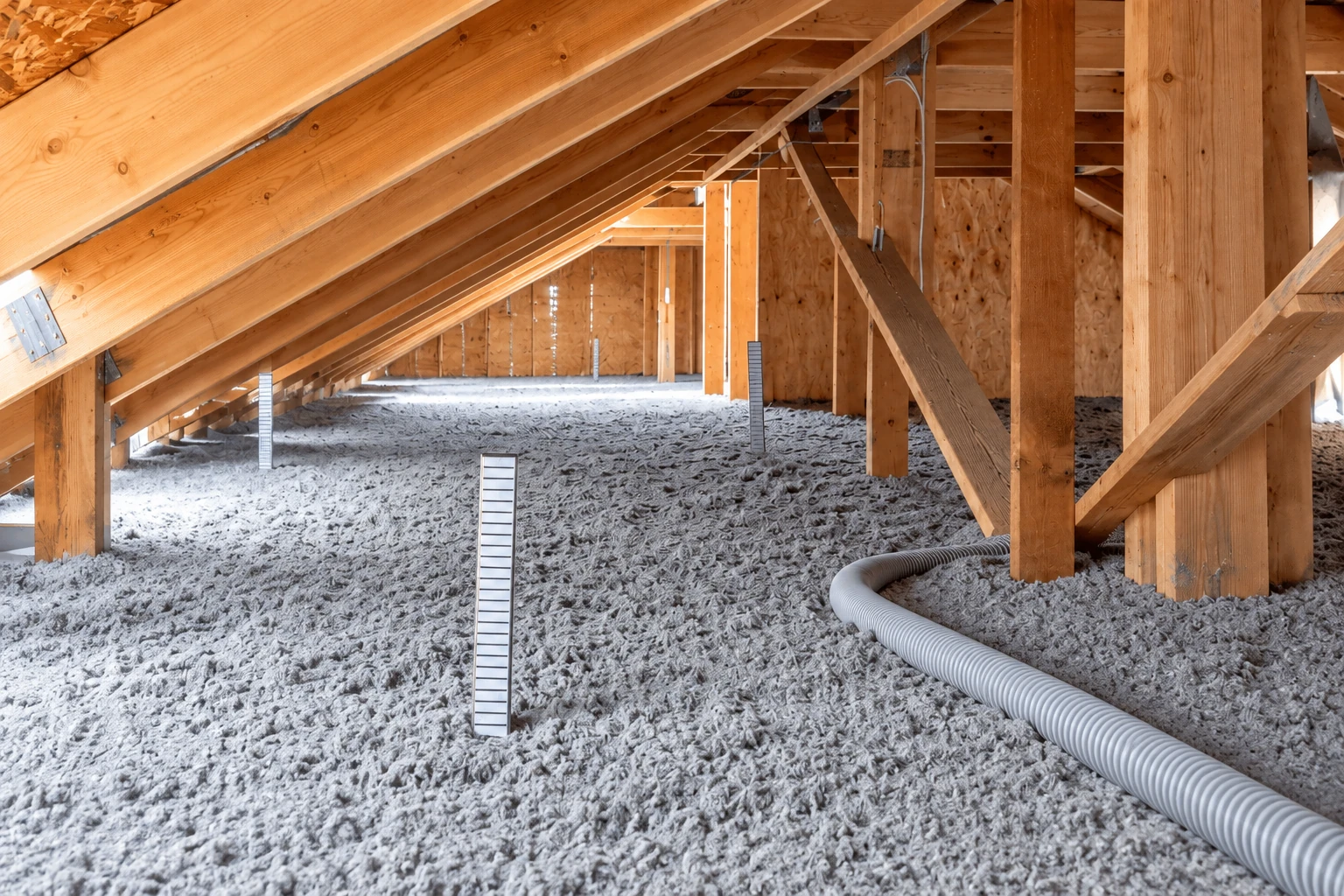
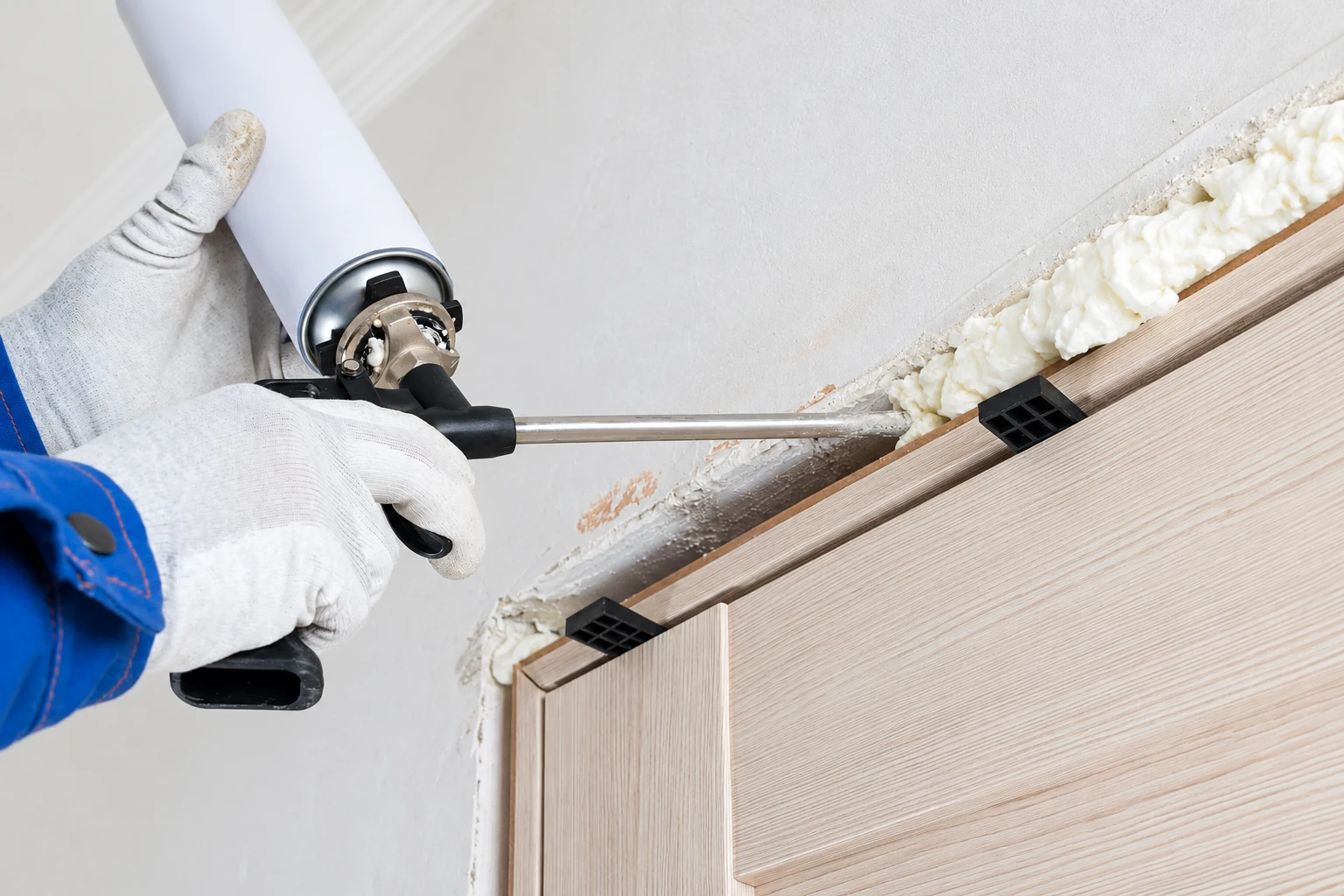
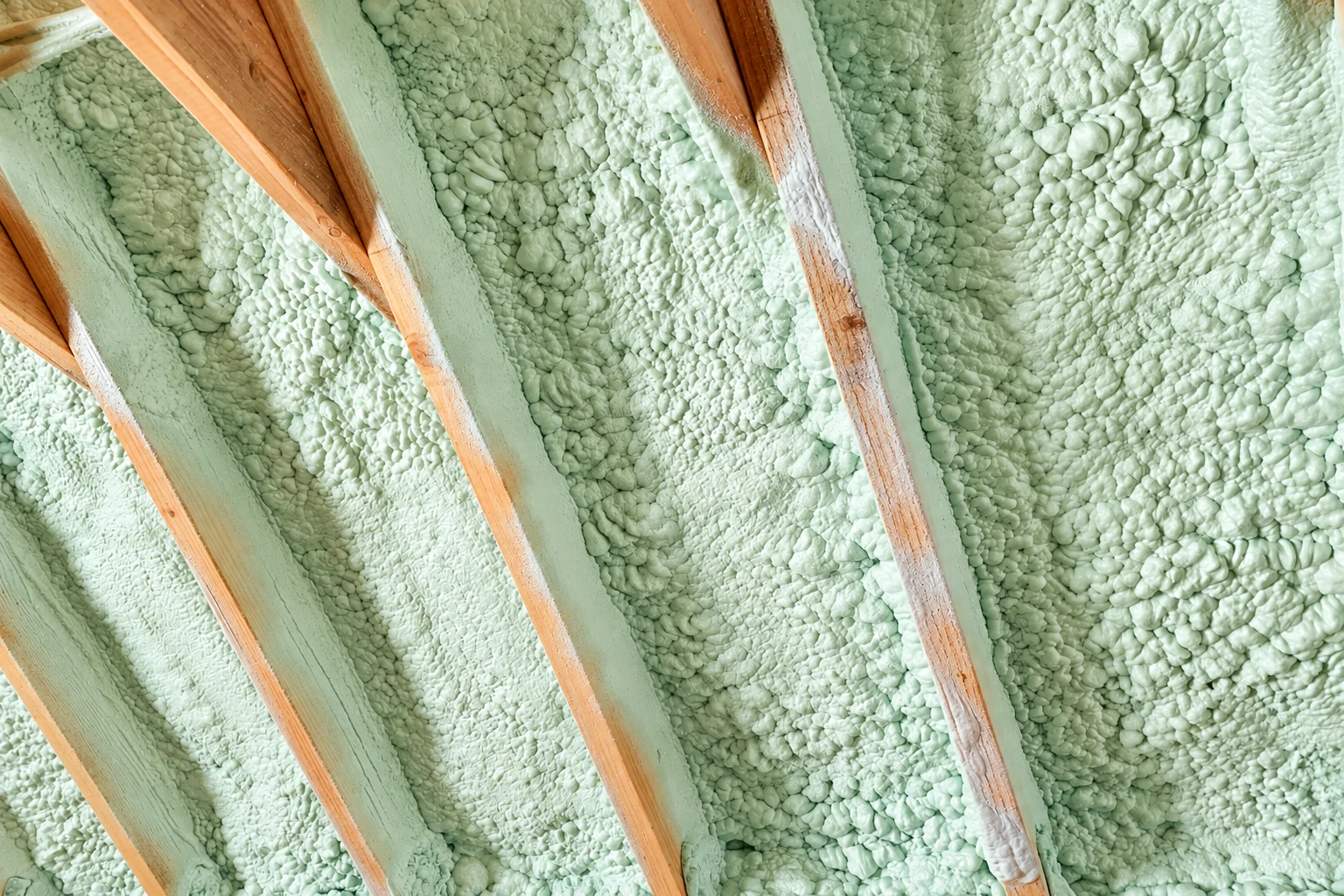
Closed-cell foam, a dense foam that also blocks moisture, costs more and seals air while it insulates. For most attics here I'd rather do air sealing, which means closing the gaps before any insulation goes in, and then top up with blown-in fill, loose insulation blown through a hose. It costs less and handles most of the same problem. The exception is when your ductwork runs through the attic, because foam on the underside of the roof brings those ducts inside the insulated space. With loose fill, we keep it full depth out to the edges, where it usually runs thin.